L´objet trouvé
Do you know the feeling too? You discover an object, and your imagination begins to move. For example, an old key that someone has accidentally lost. Not worth mentioning, but in your mind, a thrilling story unfolds about this key, which lies before you in the mud of the forest path and has already lost its shine.
Perhaps here in this semi-abandoned area, a lovely princess is waiting in a sad cellar dungeon for her rescue by a fearless hero, and this sad key offers you the unique opportunity to become that hero. Or maybe that hideous dragon, which is holding the princess captive, has laid the key as bait for the next suitable man who feels committed to the fantasy image of the noble lady and rushes to her rescue—straight into the dragon’s trap, which will now roast him and devour him with relish. Regret only comes when the noble saviour realises that no fair maiden will be his reward and that he will not emerge victorious and richly rewarded from this duel, to be celebrated. His end will be what the name already suggests: final and shameful, perhaps still accompanied by a gleeful audience that will burst into hellish laughter.
It is a principle that much of the fun lies in the discrepancy between appearance and reality. And so, the uninvolved listeners of the story will probably not mourn the grim lesson of this tale, but will burst into loud and merciless laughter at the foolish man who elevated himself to a hero, only to find himself in the dragon’s pit—defeated and ungloriously facing his own downfall. Sometimes, nothing hurts more than raw reality.
We are all susceptible to this kind of intoxicating self-deception. We buy an old steel engraving from the 18th century depicting a scene from Vienna, and patatatam… we have already become part of the Habsburg Empire.
In a similar – but not always so self-centred – way, clever artists invented the concept of ‚objet trouvé“ some decades ago. Why should an artist always painstakingly create something new, paint, sculpt, or illustrate? The world was full of wonderful things that already existed, but not many people were interested in them. A washcloth was a washcloth, a washcloth, and probably available cheaply in a department store in dozens. But if it was the washcloth with which Prince Eugene cooled his burns after a battle, burns inflicted by his opponent, and if this washcloth was declared a work of art by a new generation of artists, beautifully framed, signed by the artist, and borrowed for an exhibition in a museum – say, in Antwerp – then it became an art object with its own history and considerable value.
This explains – somewhat simplistically – the idea of ‚objet trouvé‘, of the found object. It can simply arise through an artist’s classification, detached from its historical context and freshly framed in a gallery or museum, or the original object can serve as the basis and part of a further transformation by the artist, who then re-signs it and entrusts it to their gallery.
There are now many elements in our lives that simply by their existence tell an interesting story. It doesn’t have to be as simple as the sandpit floors photographed at the beach, where a face emerges from dots, dots, comma, dash, and everyone wonders what it’s supposed to mean. As an artist, I am not interested in faces that can be painted everywhere on them. However, if two shells have become stuck on an old car door, with a broken branch hanging in between, and the hollow of the former glove compartment grins at the bottom, then this can—completely unconstructed—offer a worthwhile perspective, and I would try to take a good photo of it, which I would catalogue in my archive of found objects. Even if I should perhaps revisit the subject later in better light, such a thing probably wouldn’t be so significant that I would call it a work of art. It would rather be an expression of my collecting passion.
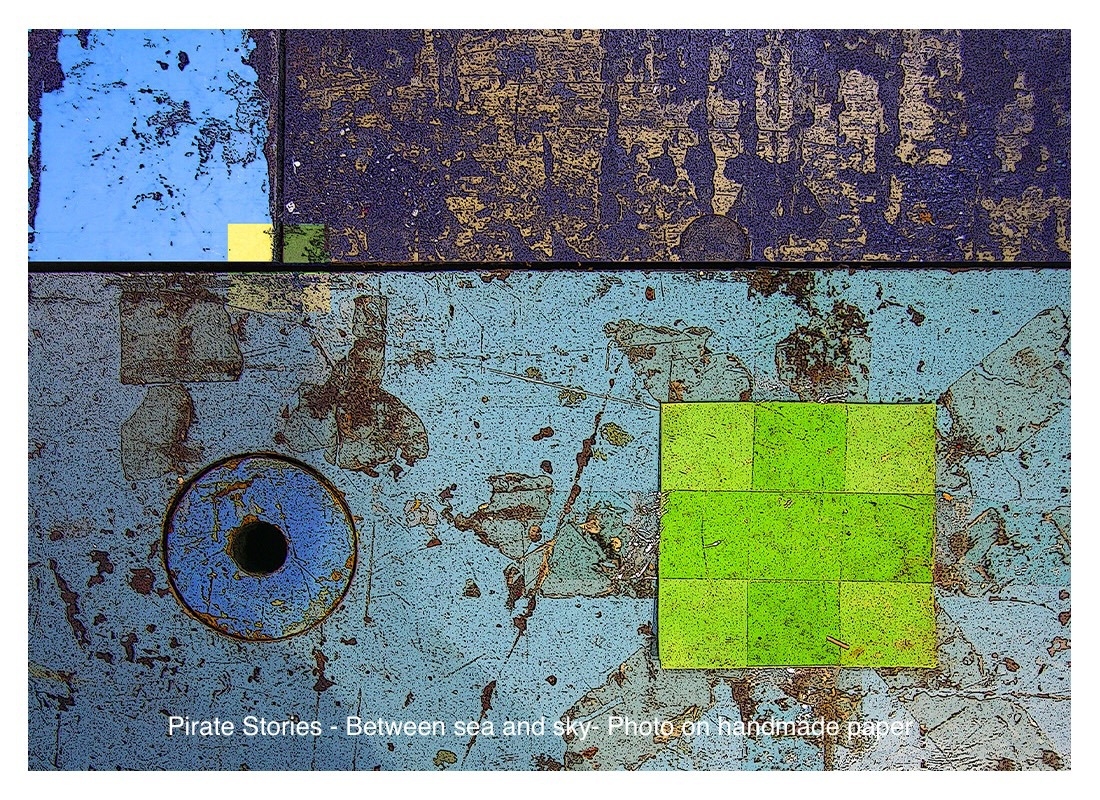
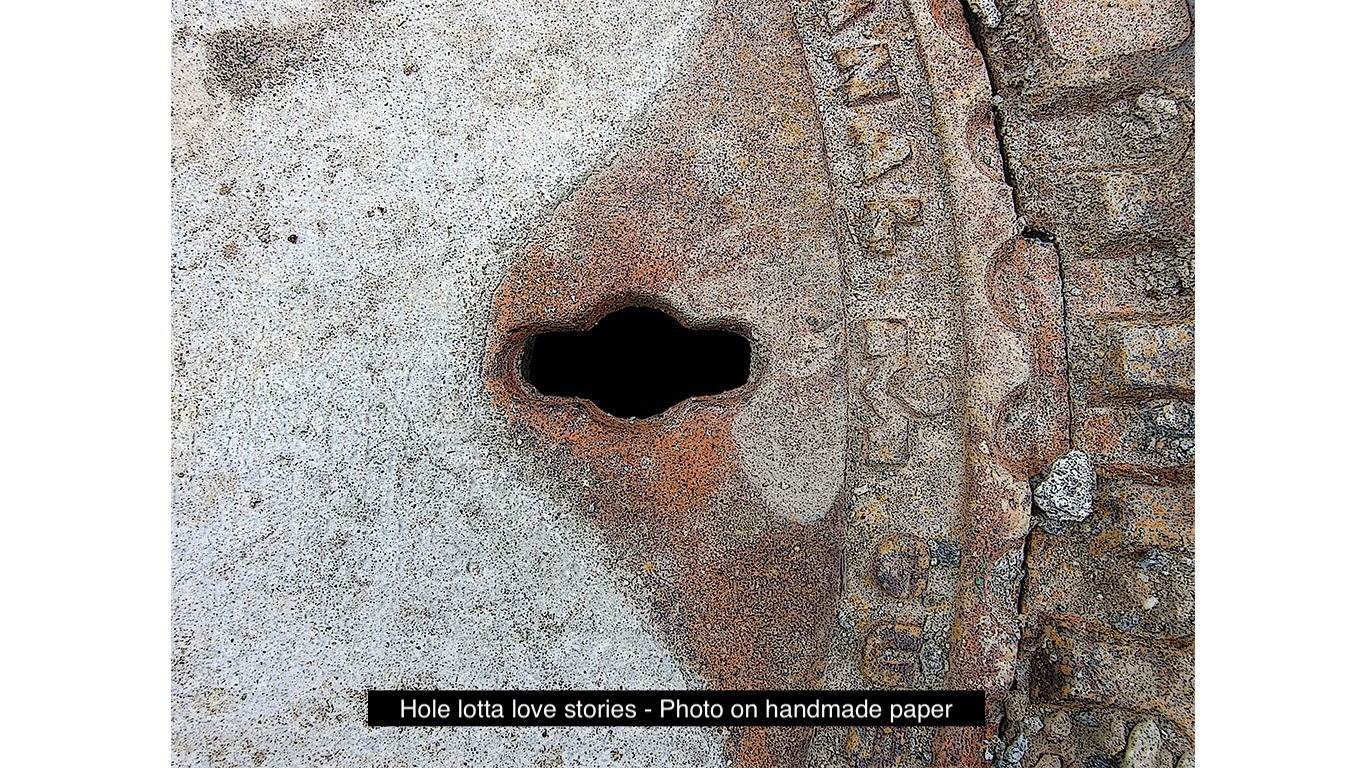
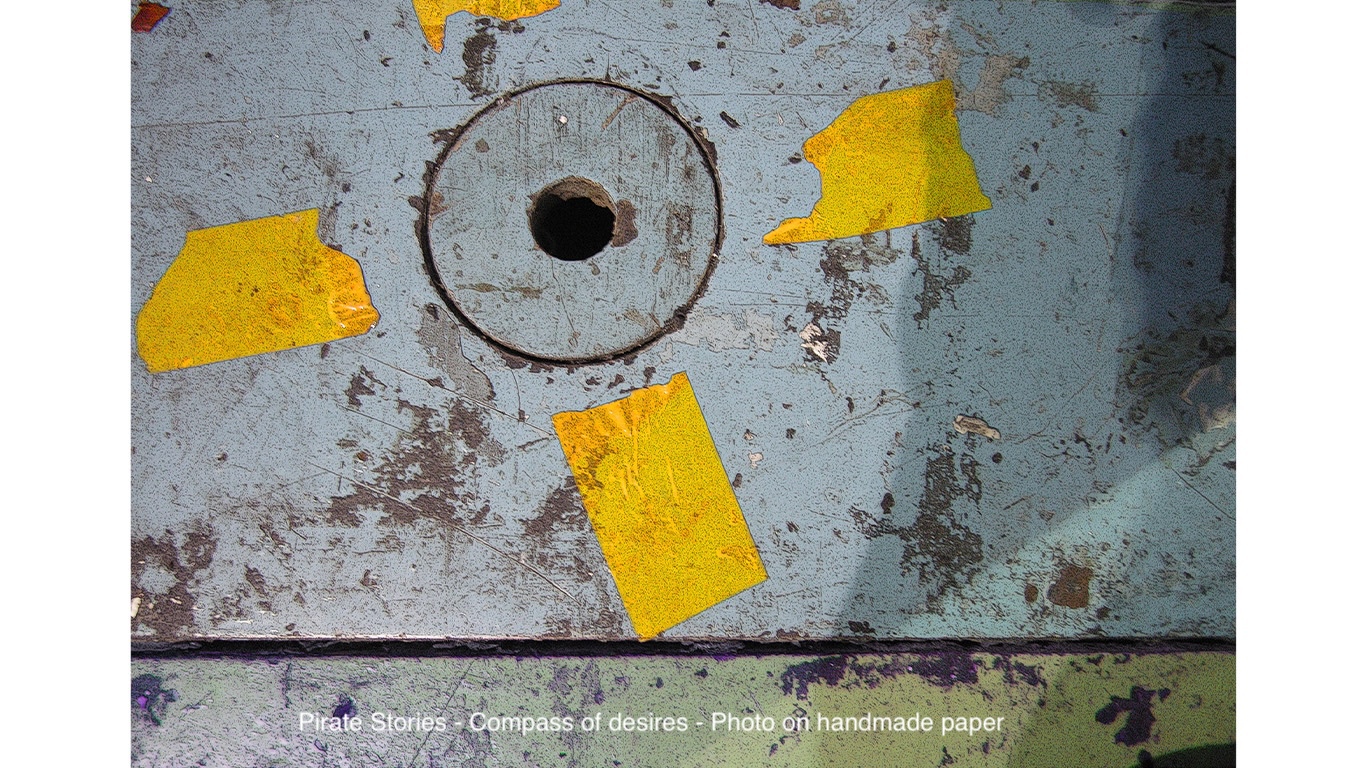
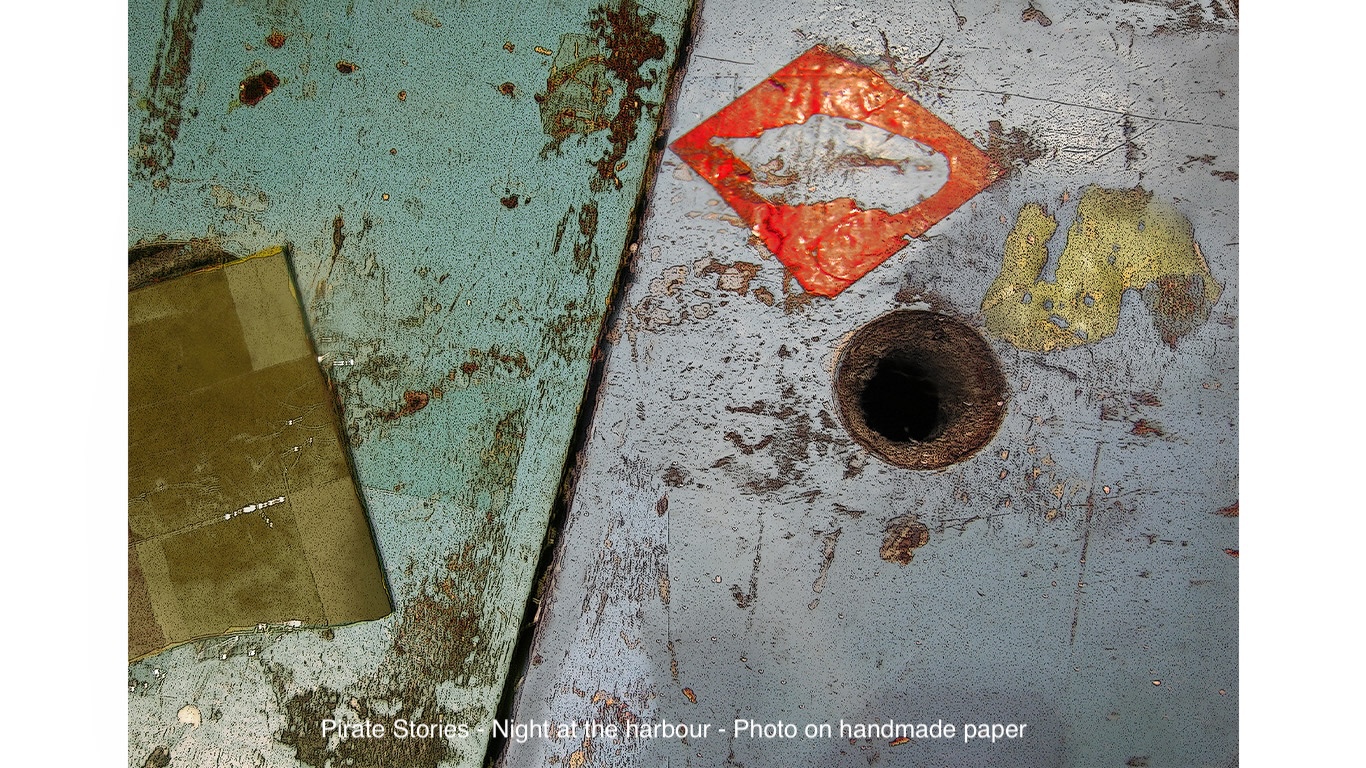
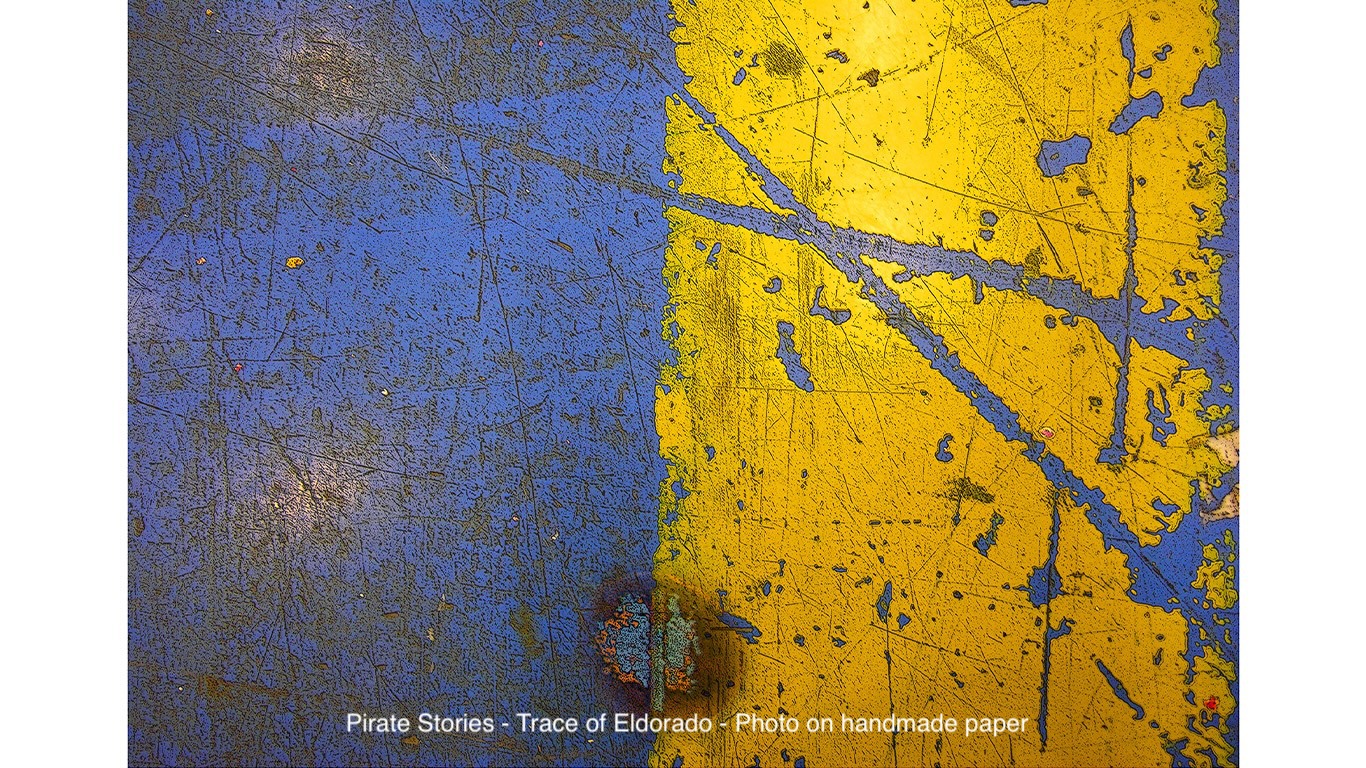
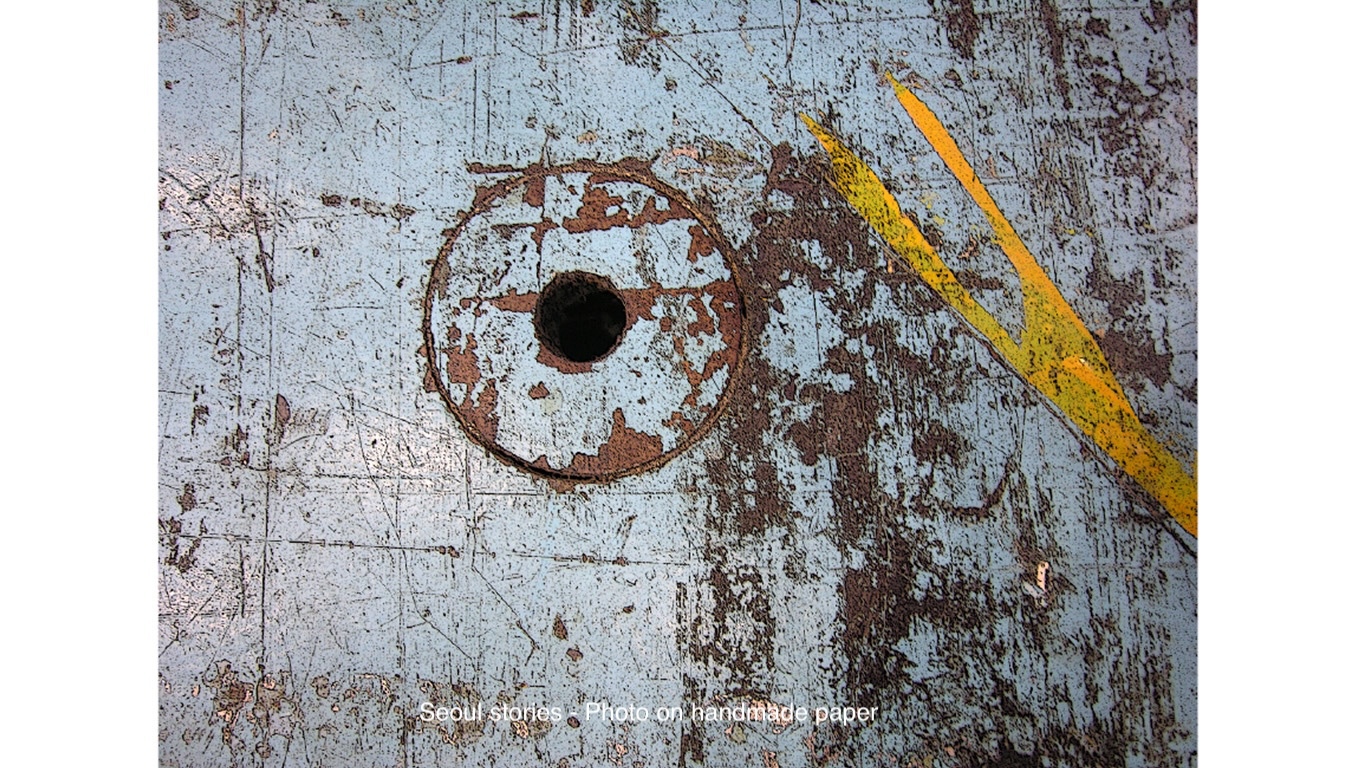
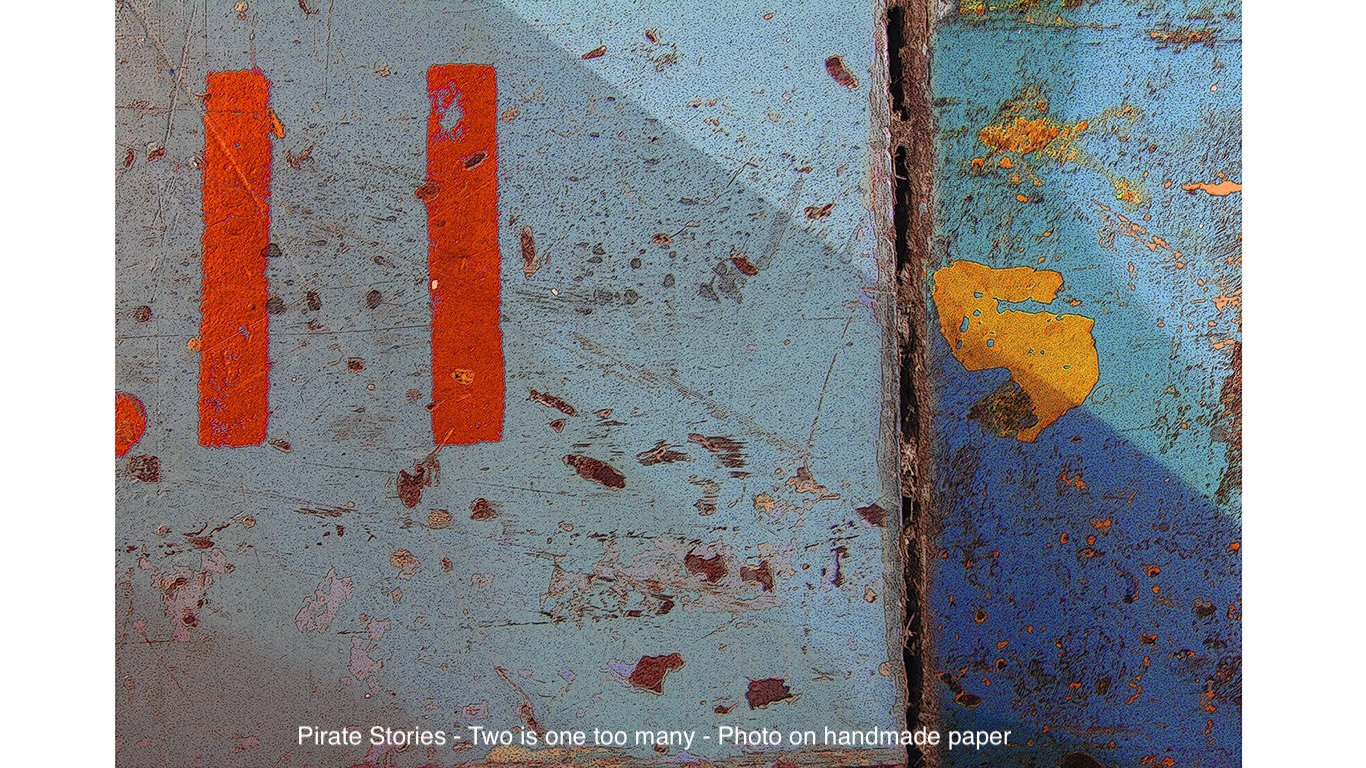
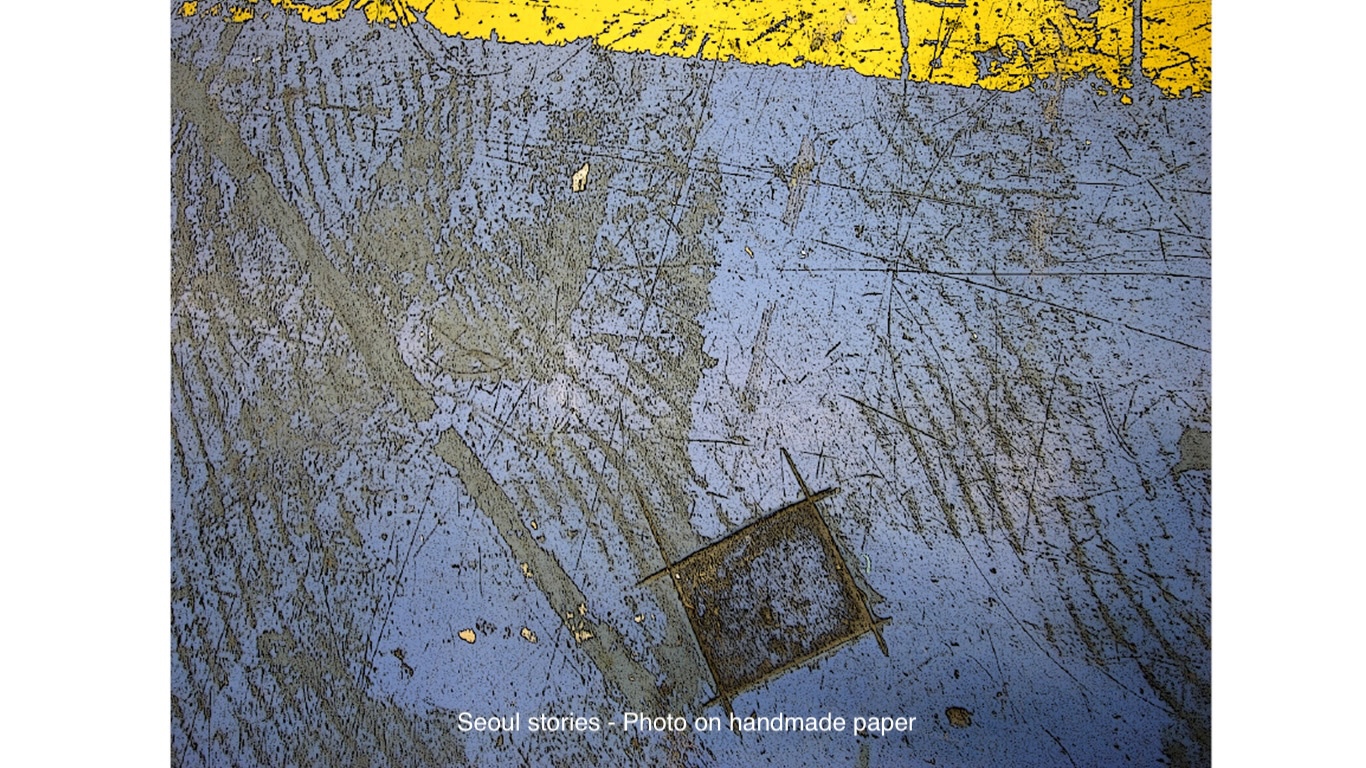
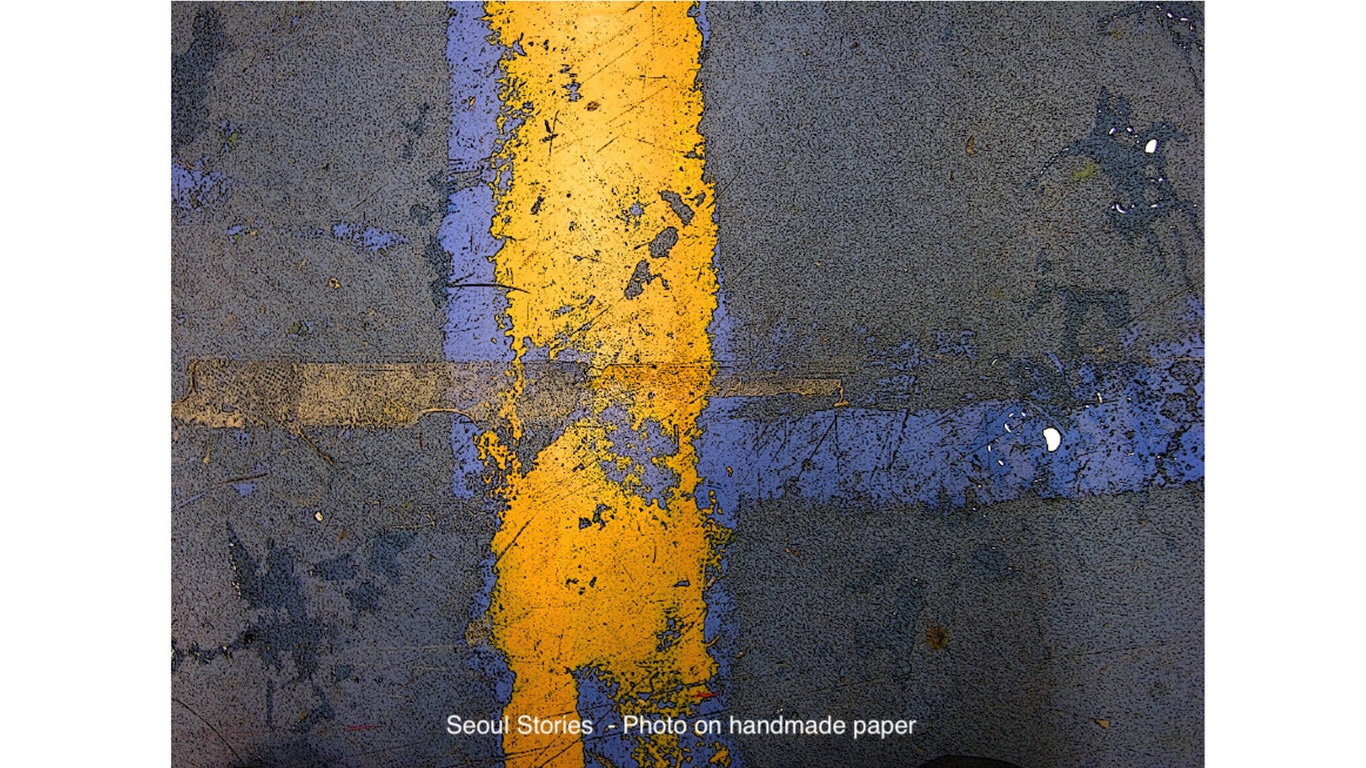
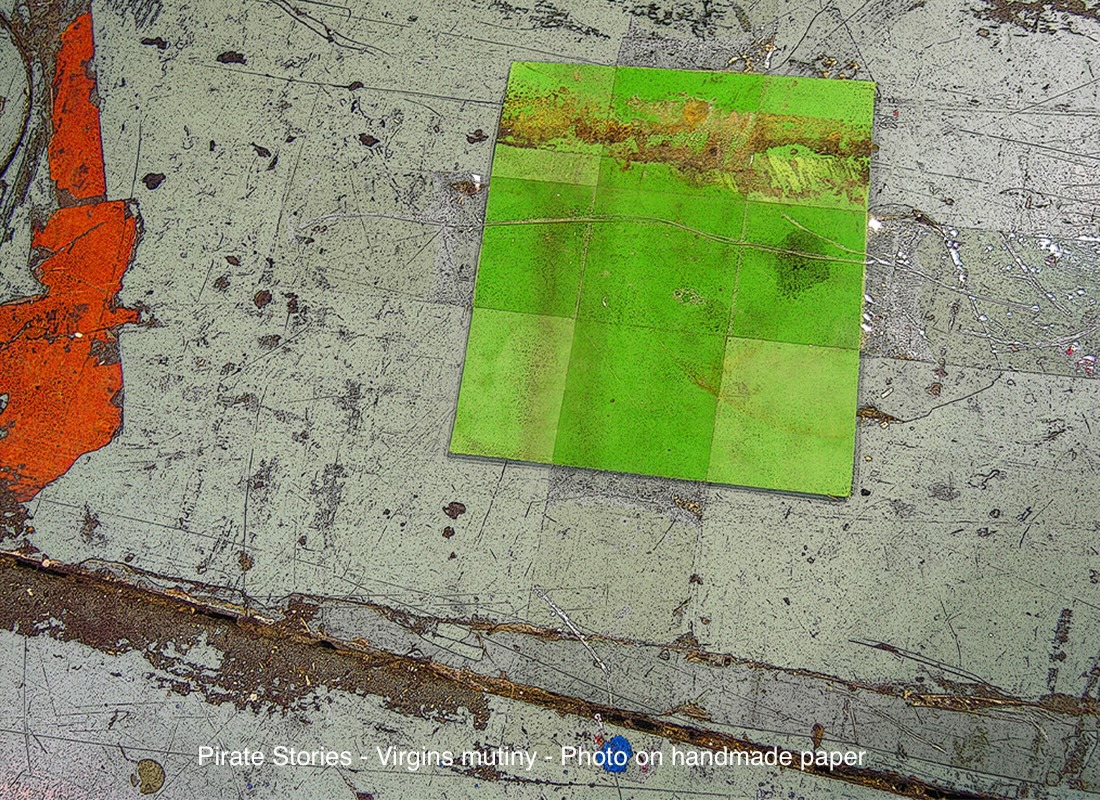
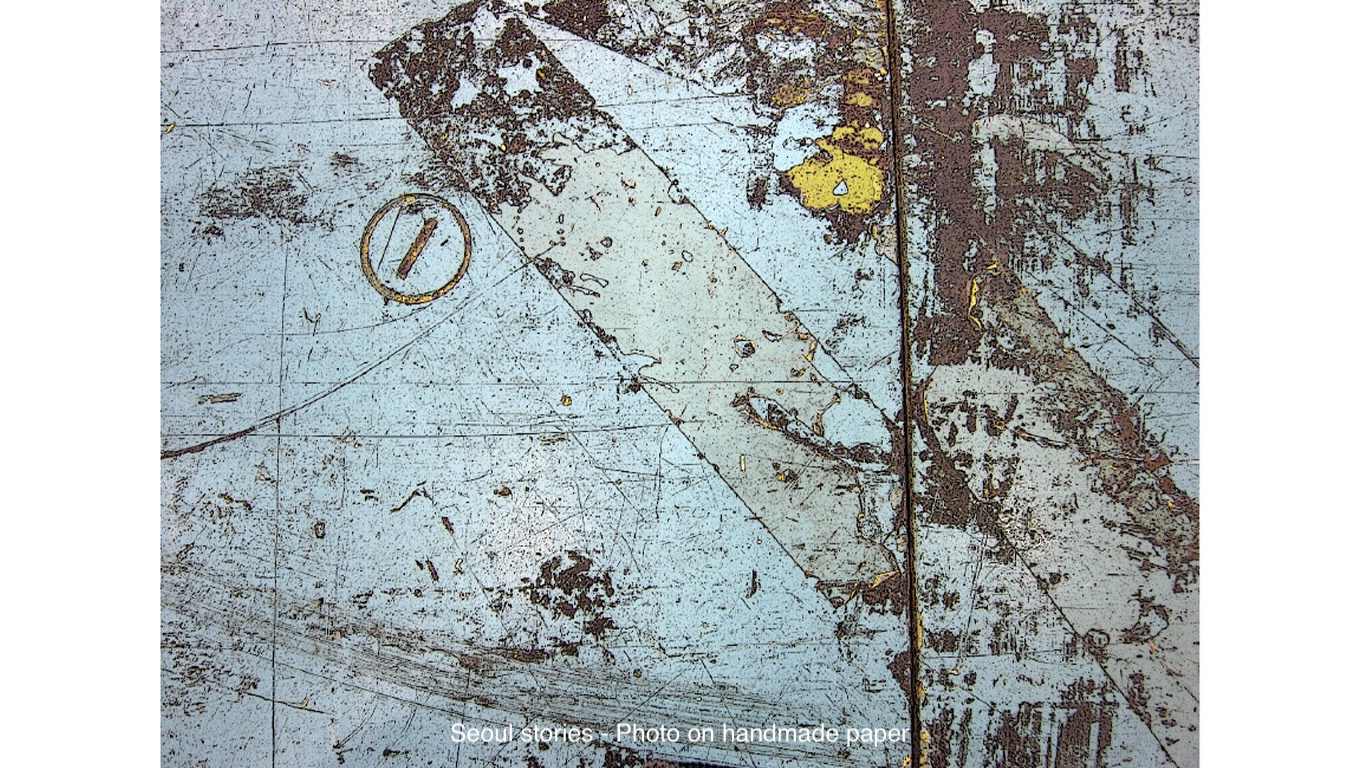
What seriously and ambitiously occupies me again and again are the traces of work I find—especially on the raw exhibition floors of international art fairs. Sketches, explanations for the installation of the works, measurements, private messages, drawings, assembly instructions, phone numbers, remnants of adhesive tapes and packaging, chipped paint surfaces, stains from food residues, spilled drinks, paint splashes… On the day of the opening, most of these markings will be covered by carpets or cleaned away — the fleeting poetry is hardly recognisable anymore. The phase before means something to me: the plans, the projections, the quick exchange of information. Often in very close connection.
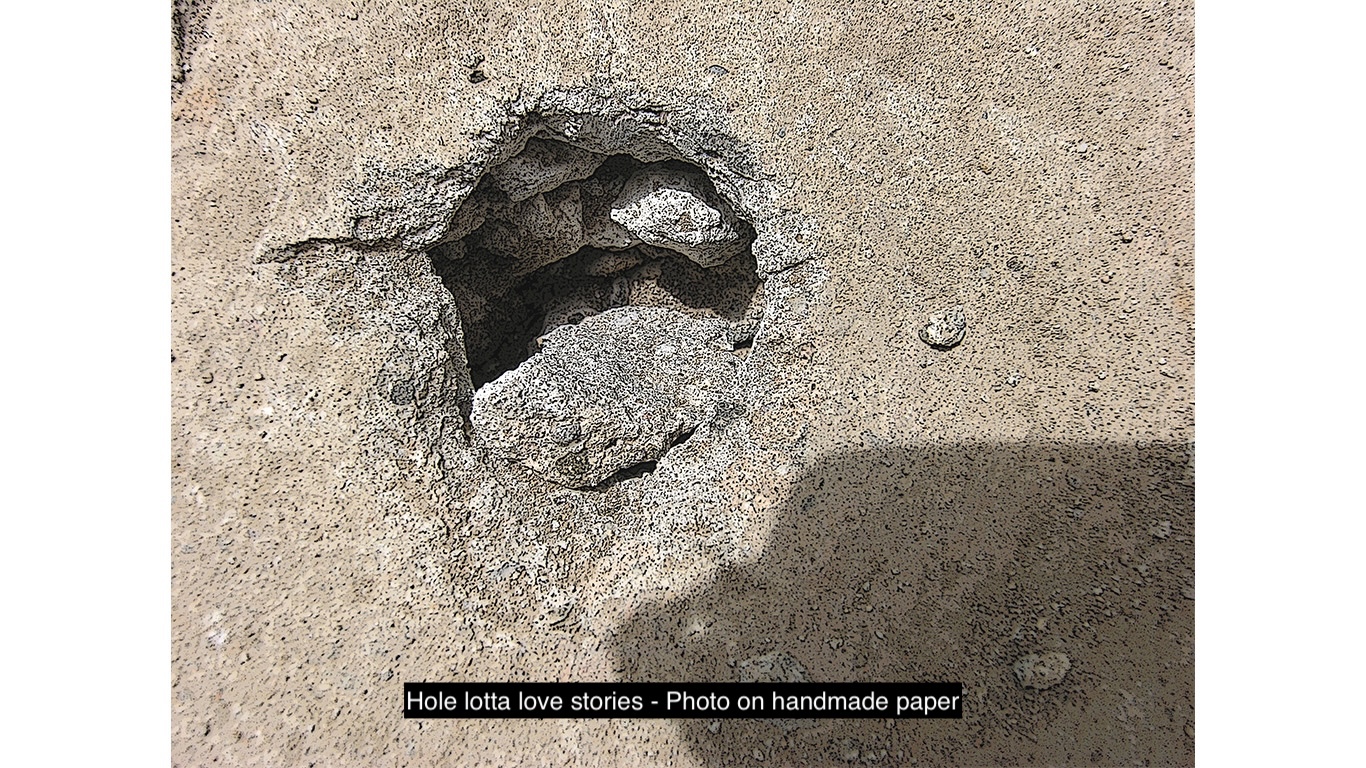
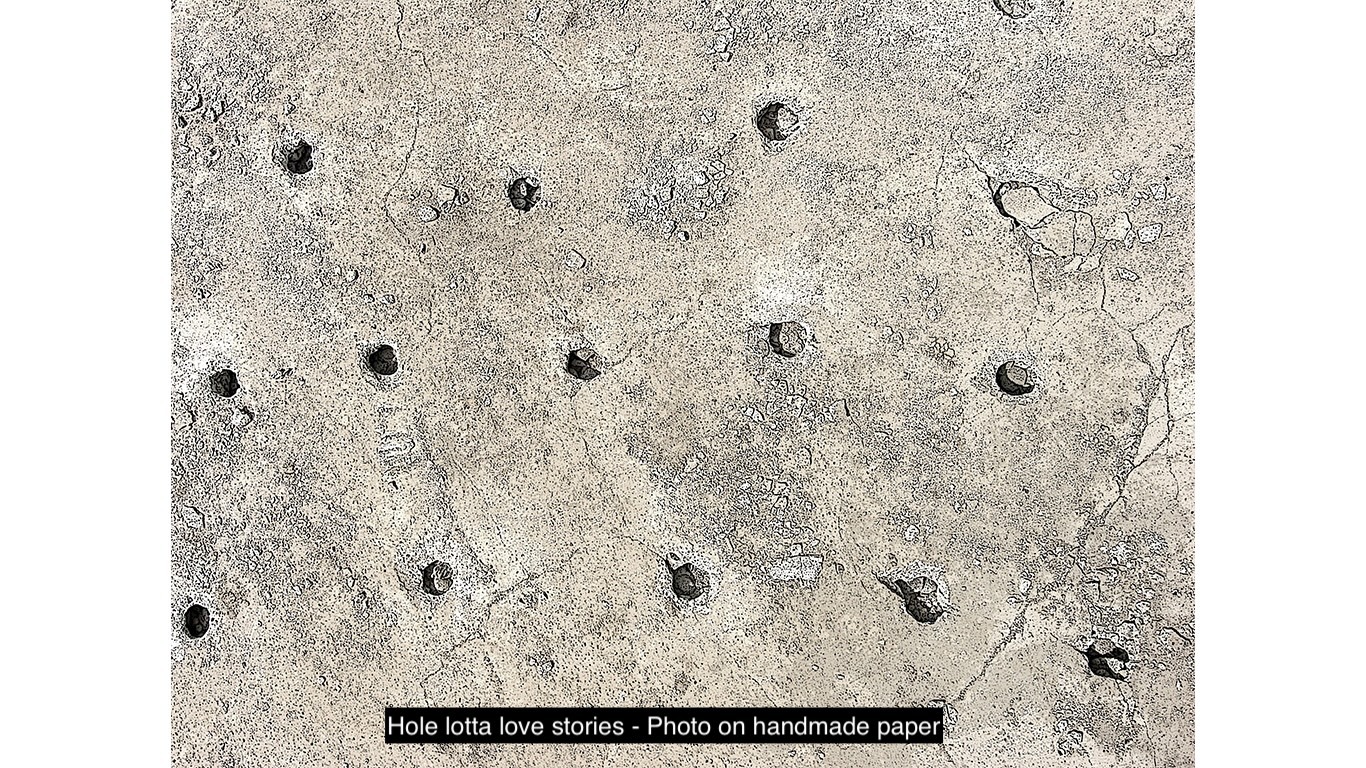
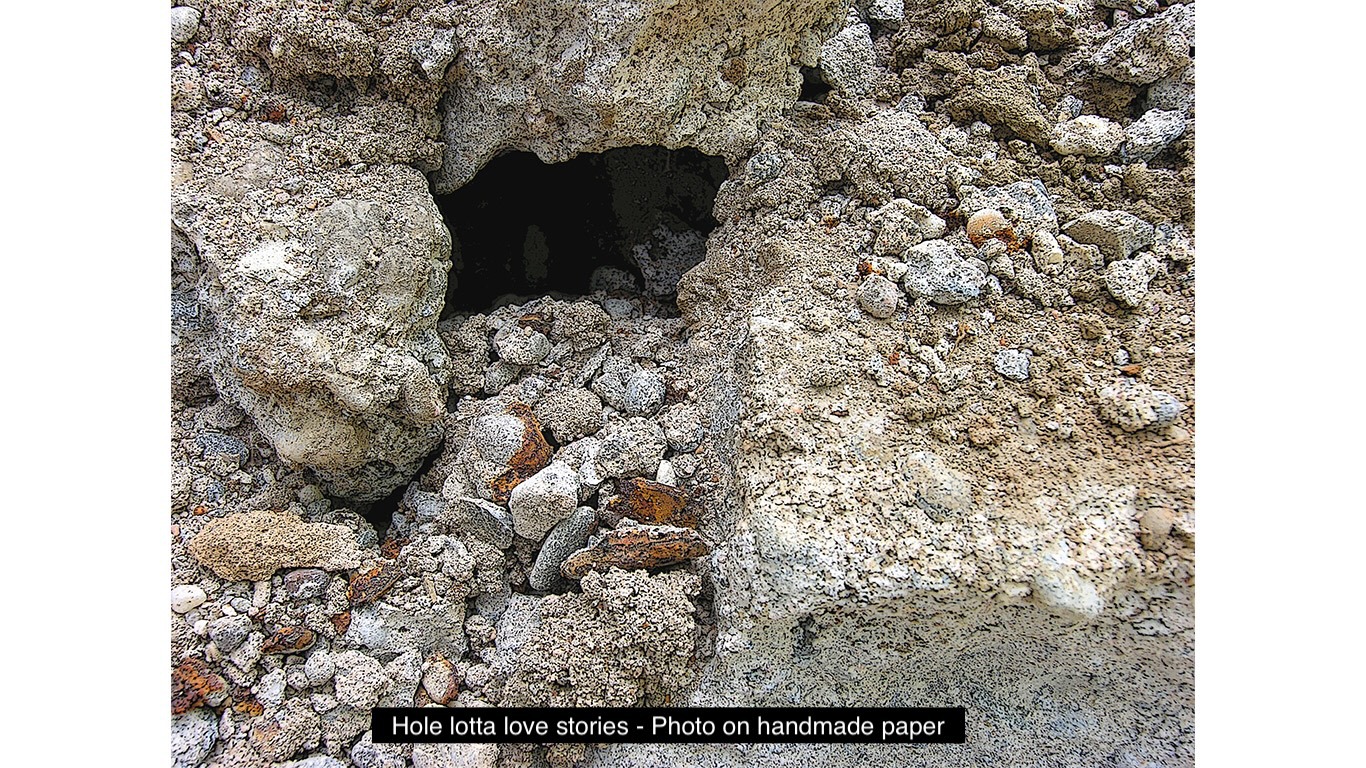
Every symbol has its origin in a living being, in a conscious intention. Together, they appear like a topography, like a map, intricately intertwined. This is a record of time, a real short cross-section of human endeavour. Not intended as art, and precisely for that reason so genuine and authentic. These are my objets trouvés. My artistic contribution is their discovery and documentation. Sometimes – rather rarely – a little image editing, followed by very careful printing on special material – here, preferably handmade Korean mulberry paper of excellent art print quality, which best reproduces the colours. The editions are deliberately small, as these images are not meant to flood the market but to appear wonderfully on their own, conveying new associations daily. The titles of my images poetically summarise my own associations with the content. In fact, I am often surprised myself at the message I have instinctively captured. When photographing, I was guided by the graphic appeal; the message hidden within the image only became clear to me when I looked at the finished work.
Another example beyond the flourishing phenomena of harbour life: Please pay attention during your next walk through the forest to the markings on the trees! Do you know what they mean? What do the crosses on the protruding trunks signify? Does the colour yellow have a different meaning than dark grey? Can the trees understand the significance? Can they defend themselves against it? For instance, if someone paints a marking on the trunk to fell the tree, and the tree begins to bleed resin at that spot, causing the marking to dissolve with the bark underneath and eventually drip softly to the ground. Let us be glad that we do not have to witness all the festivals and dramas. We pass by, perhaps enjoy the good weather, and take pleasure in the lively, creative work left behind by the forest workers. Completely unaware that what they have expressed might be art. I have great respect for these diligent people, and for the forest they work on and care for, which has been a real foundation of life for us for thousands of years.