Lightbrush/photos on metal
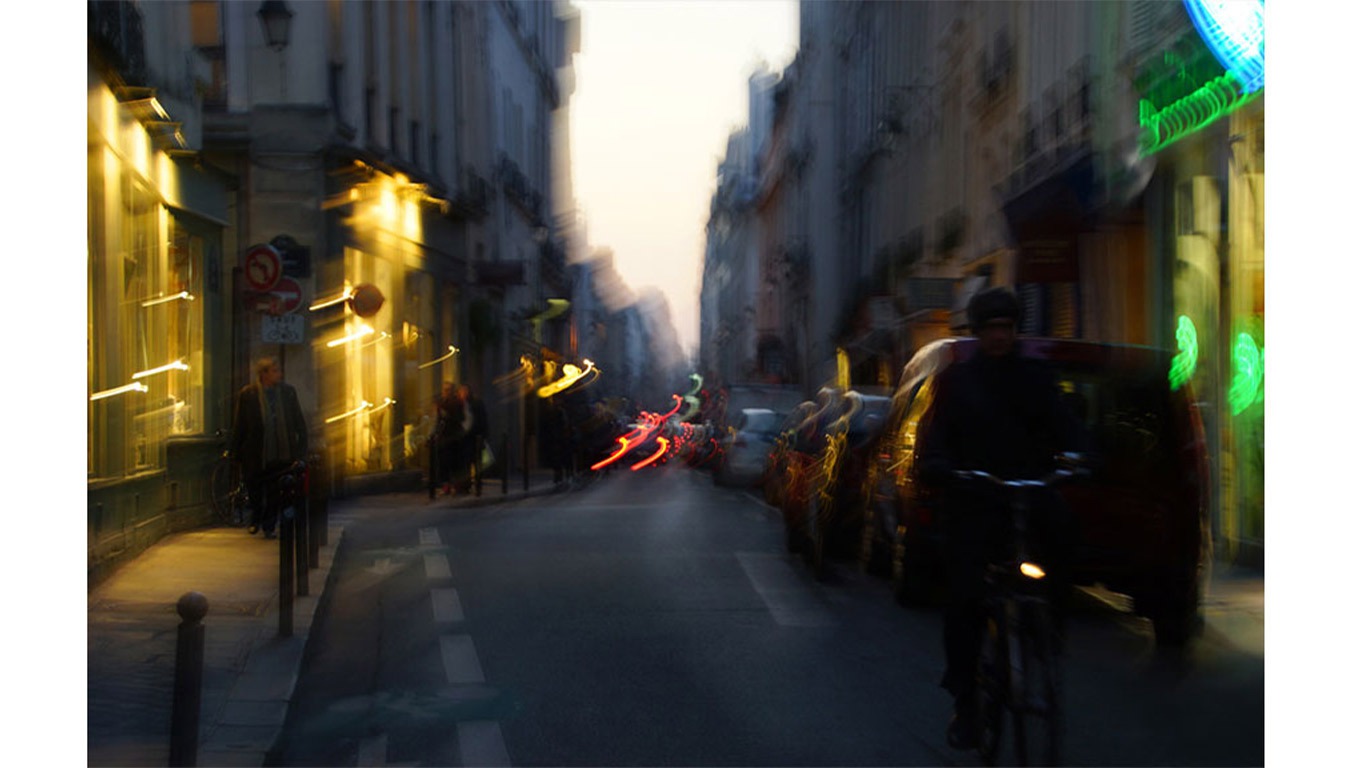
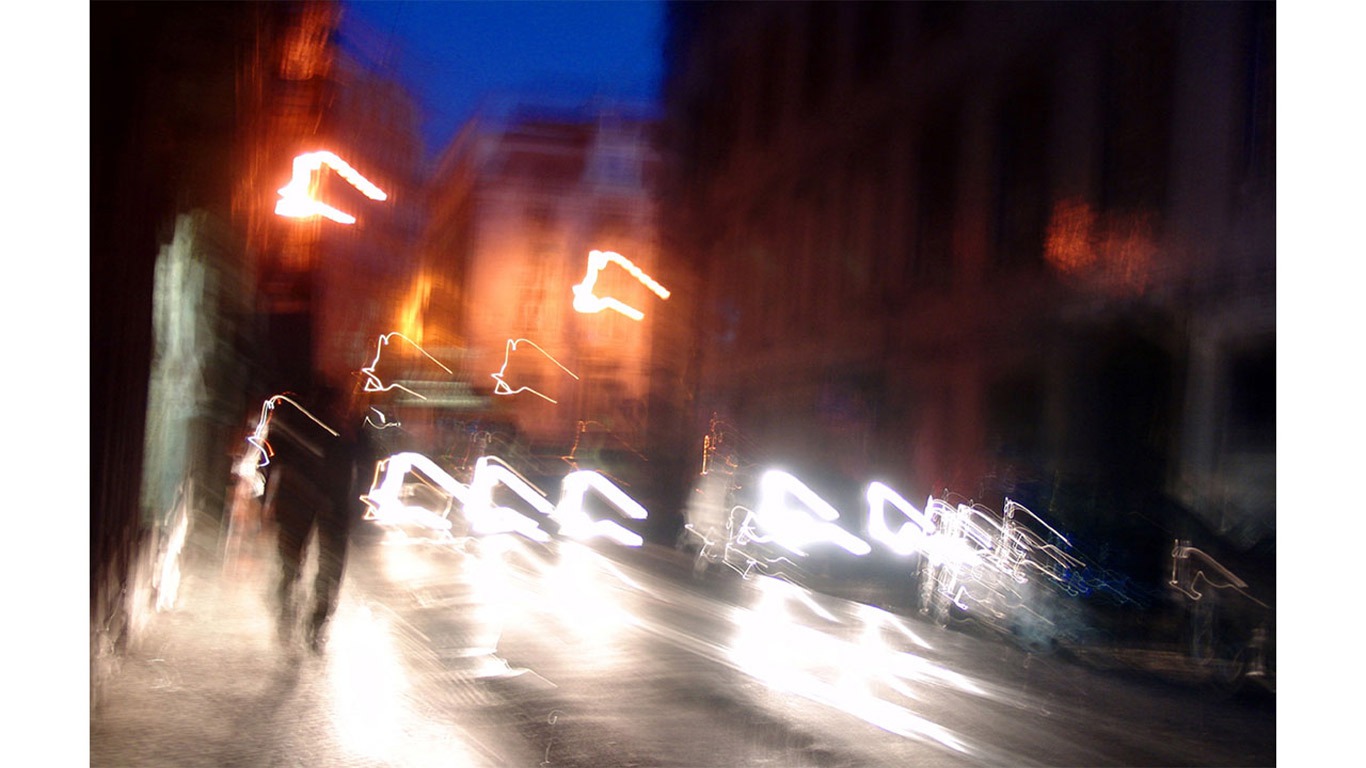
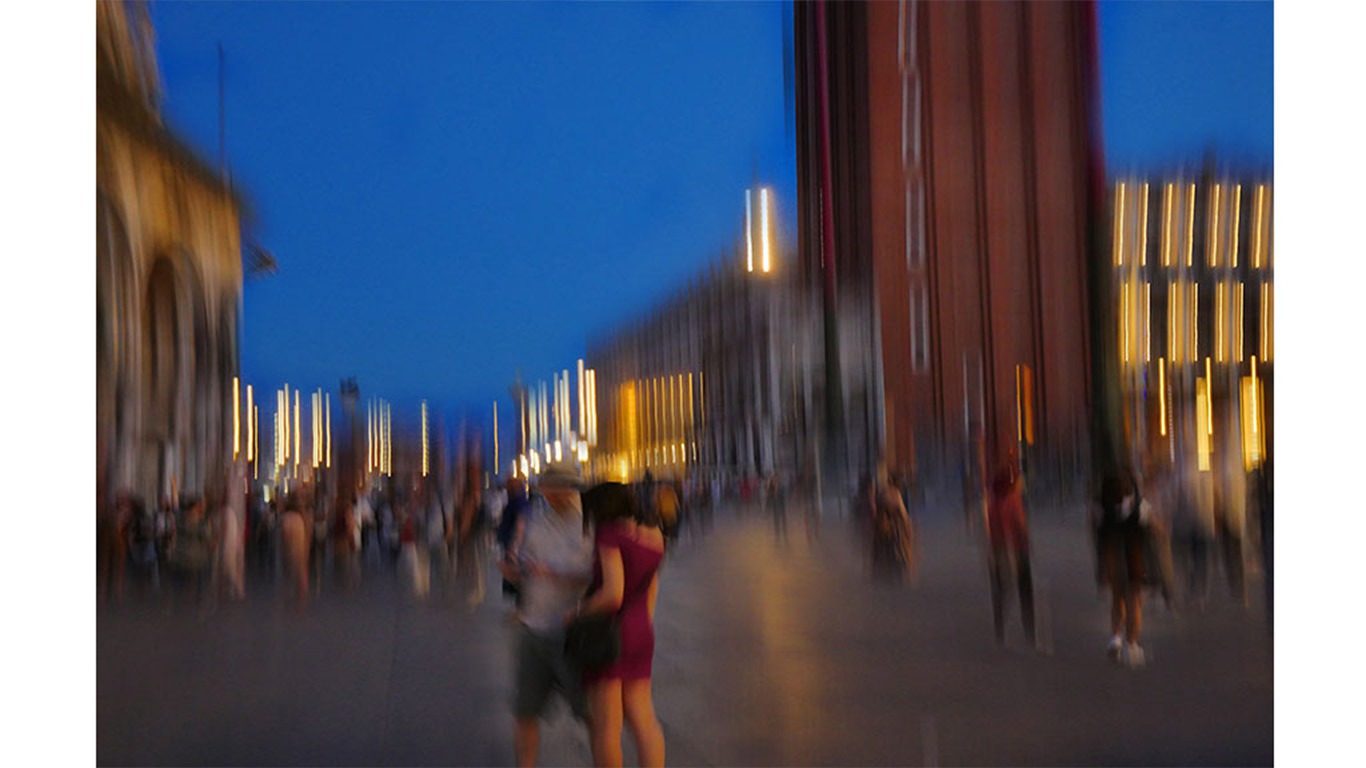
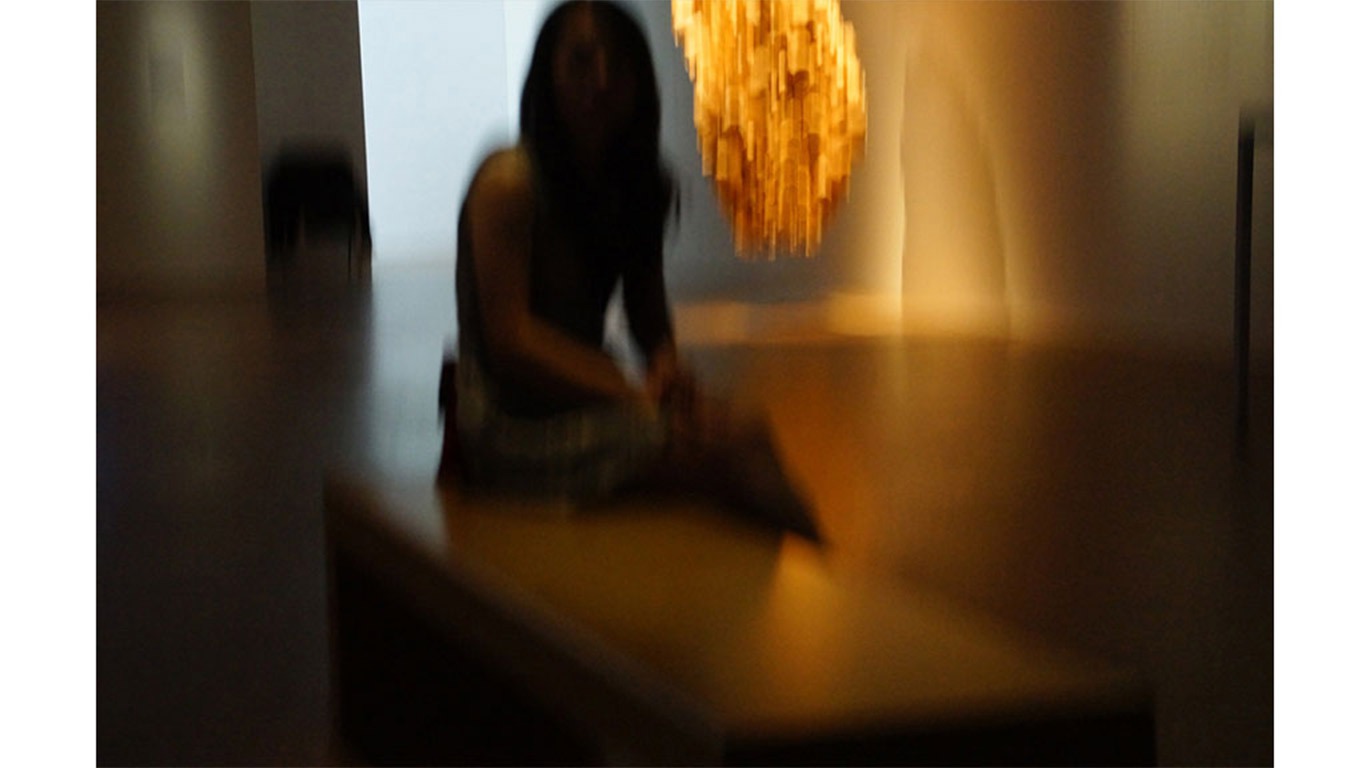
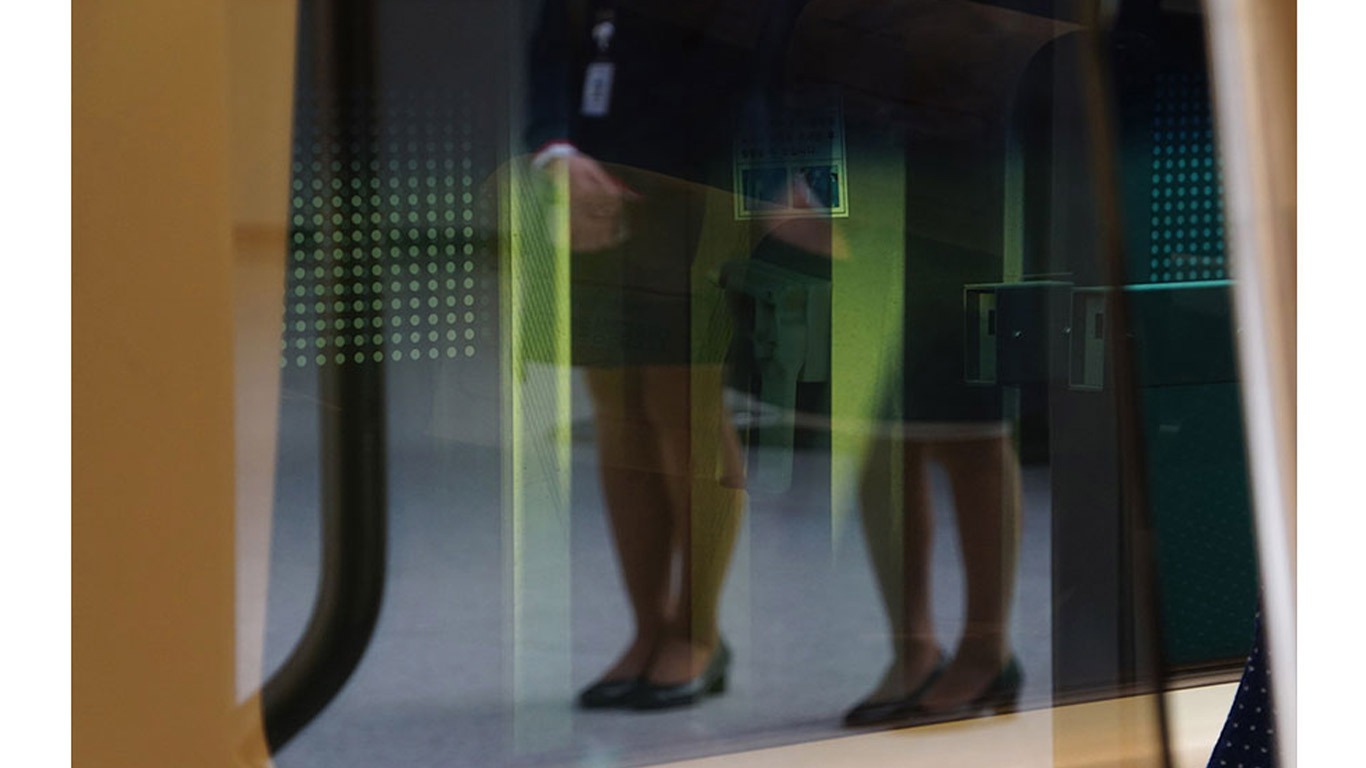
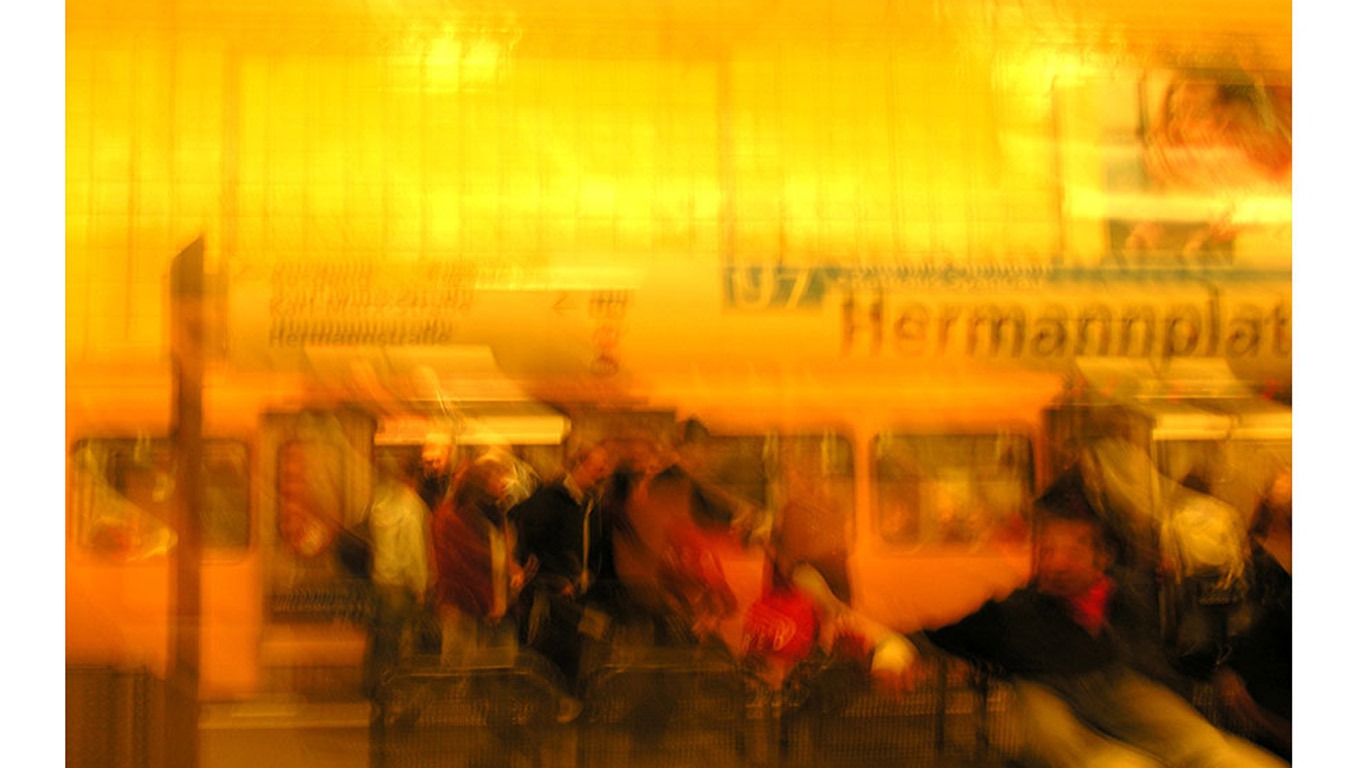
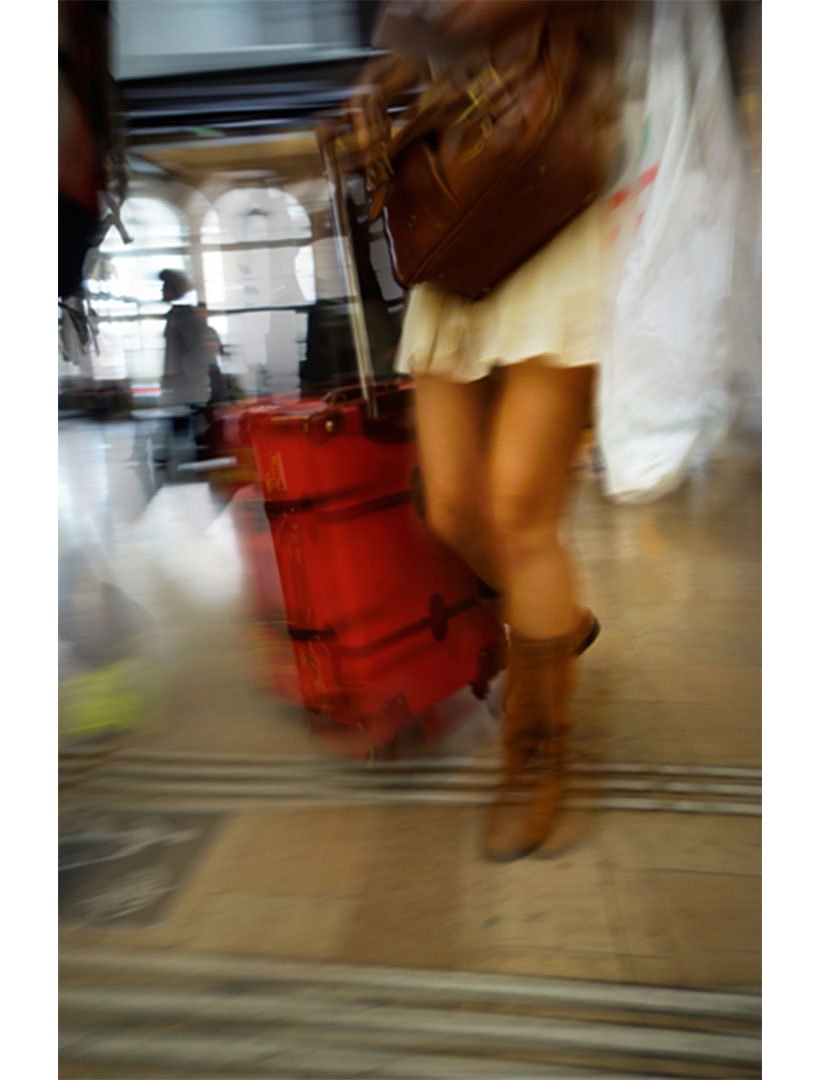
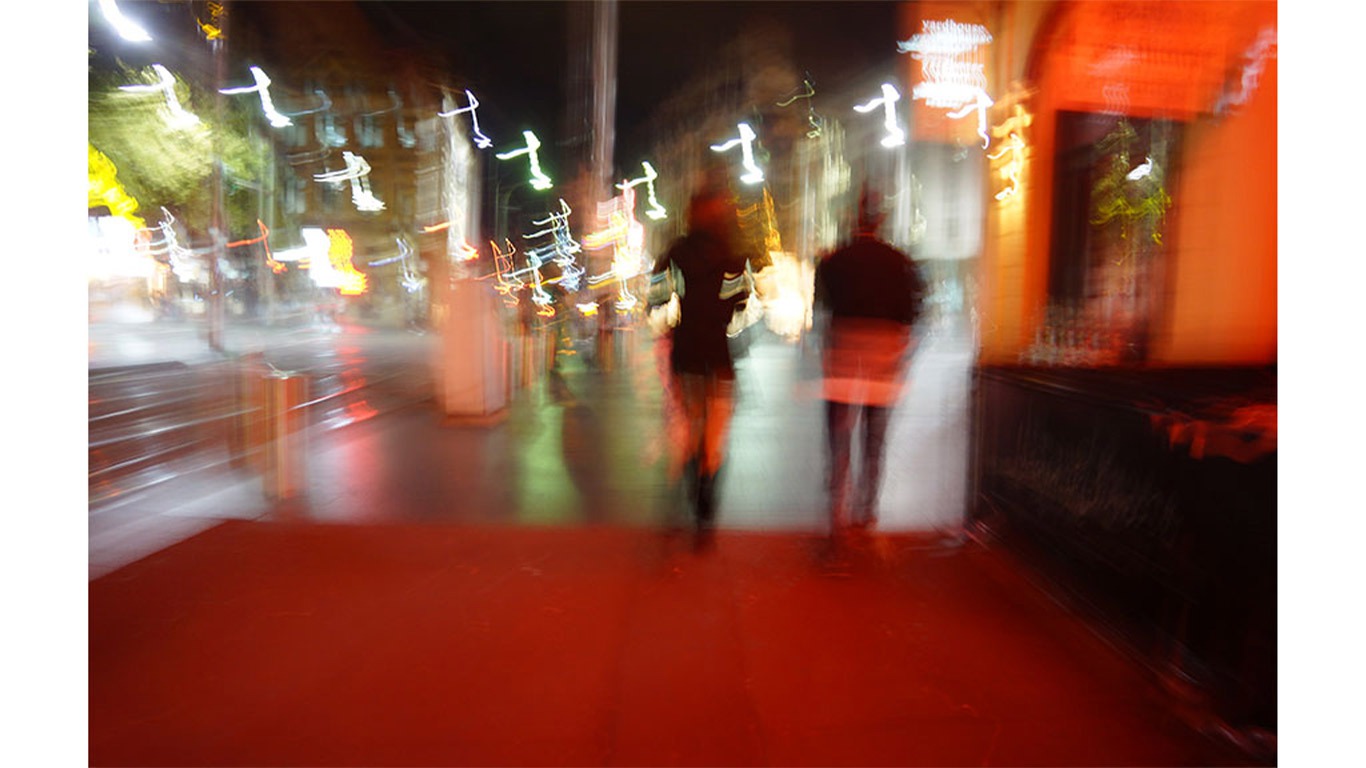
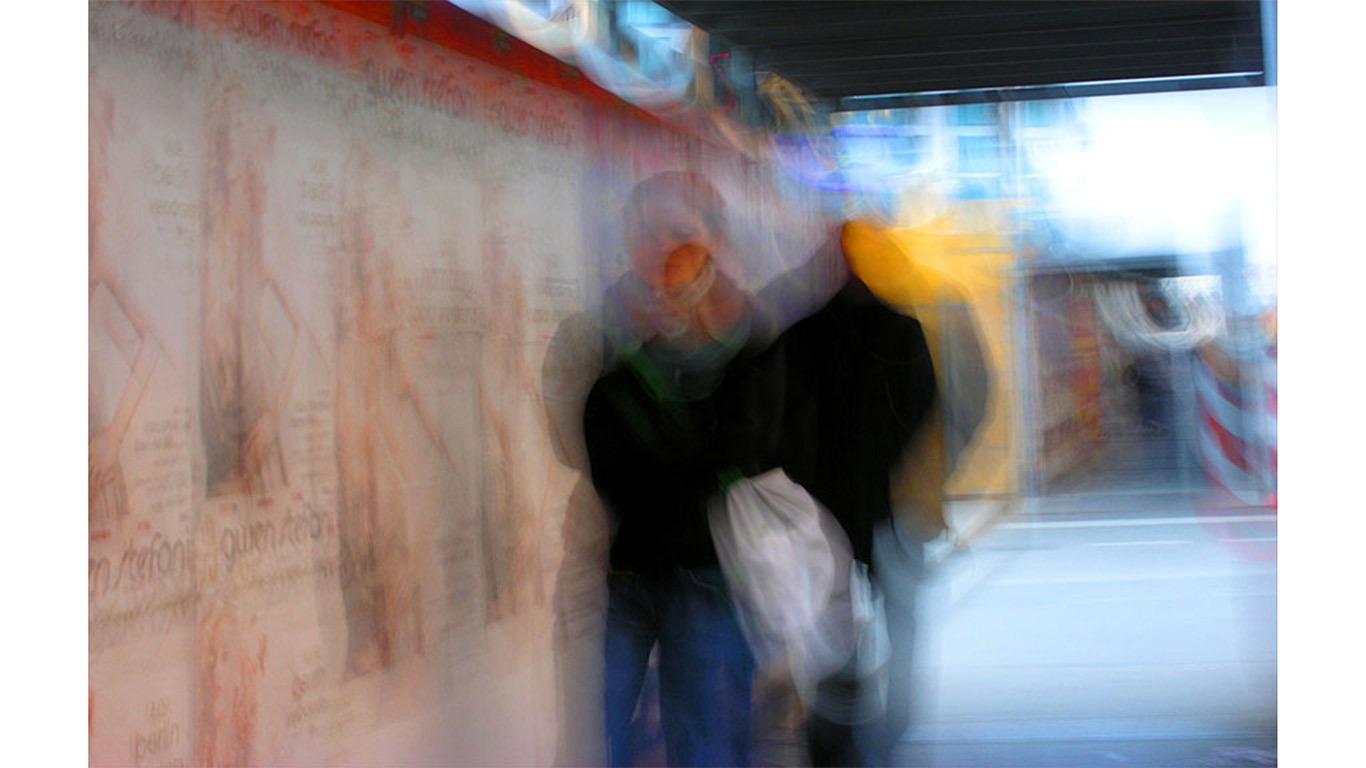
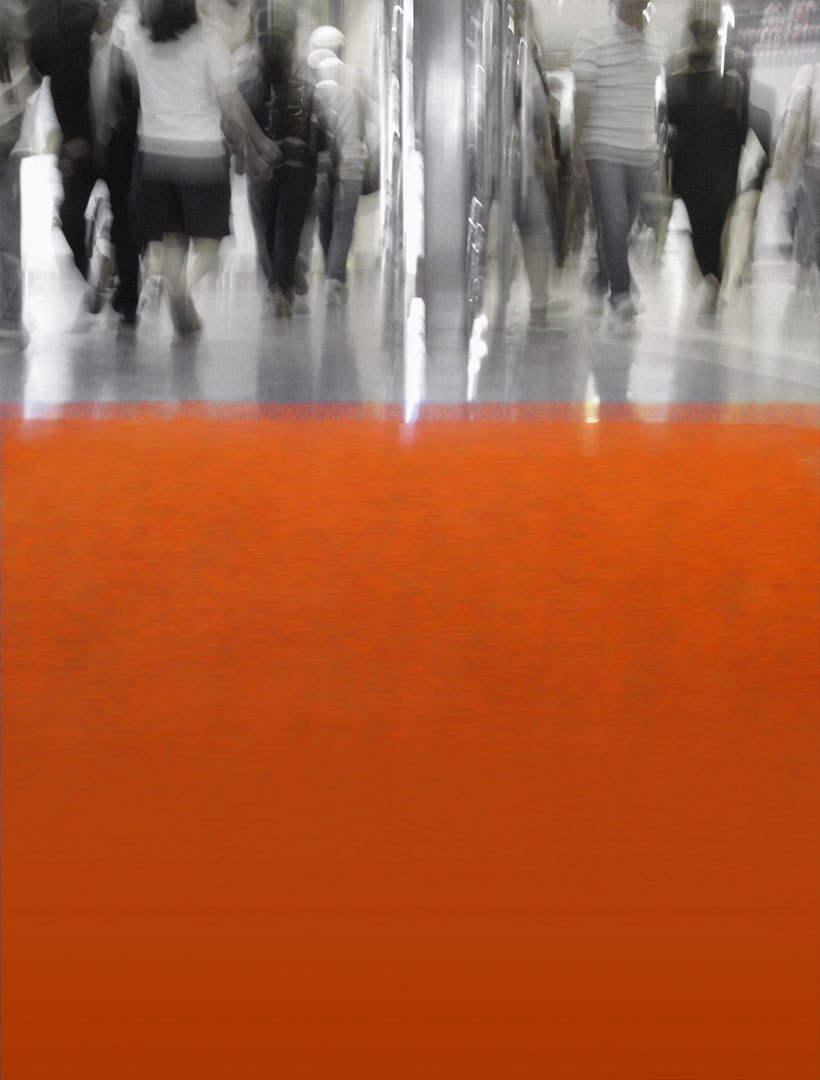
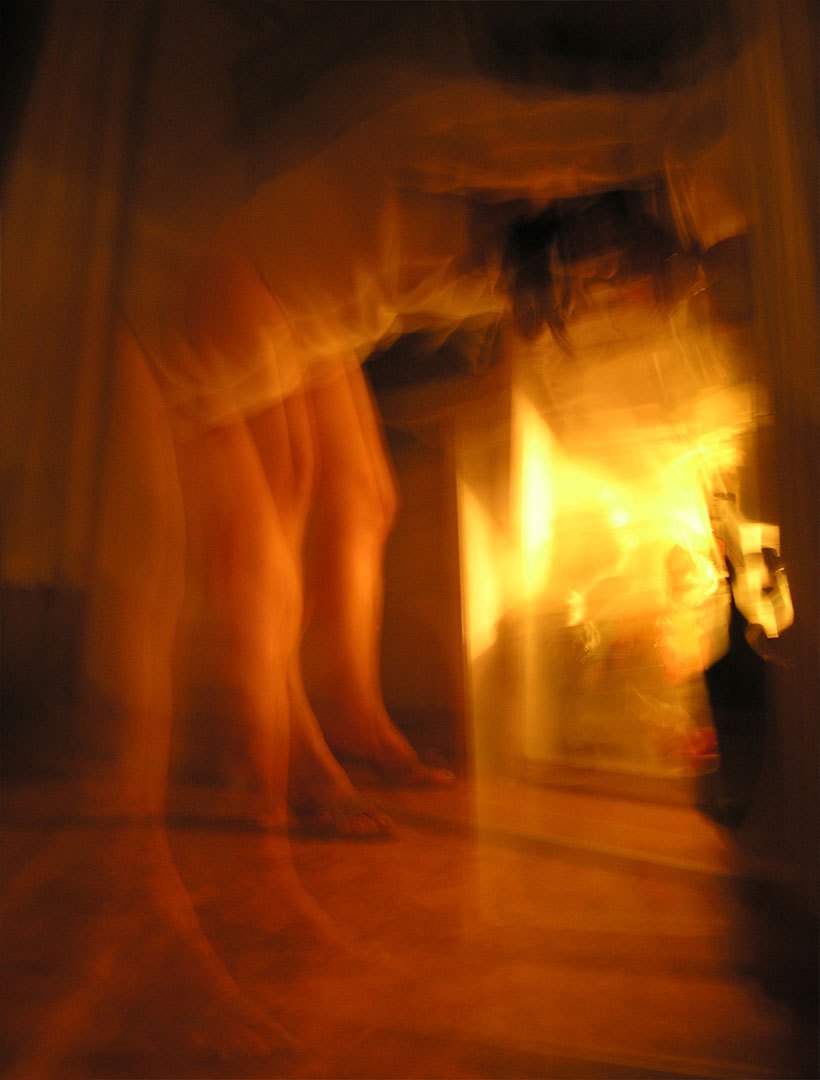
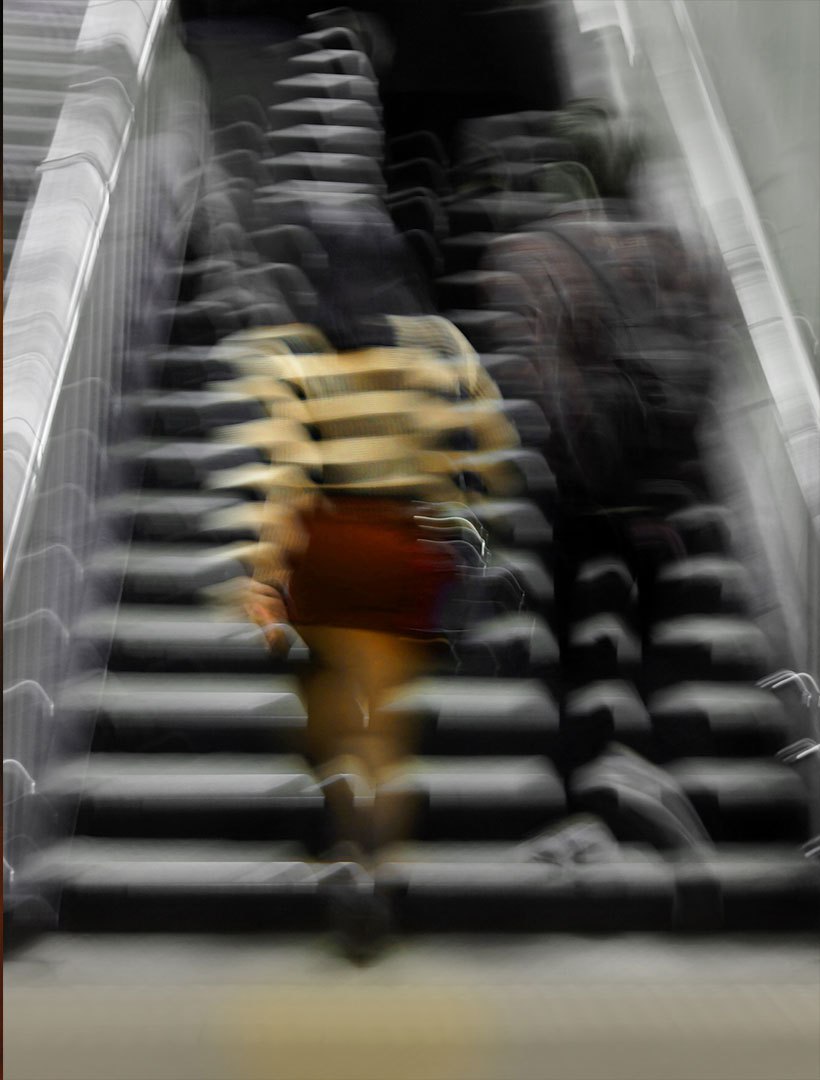
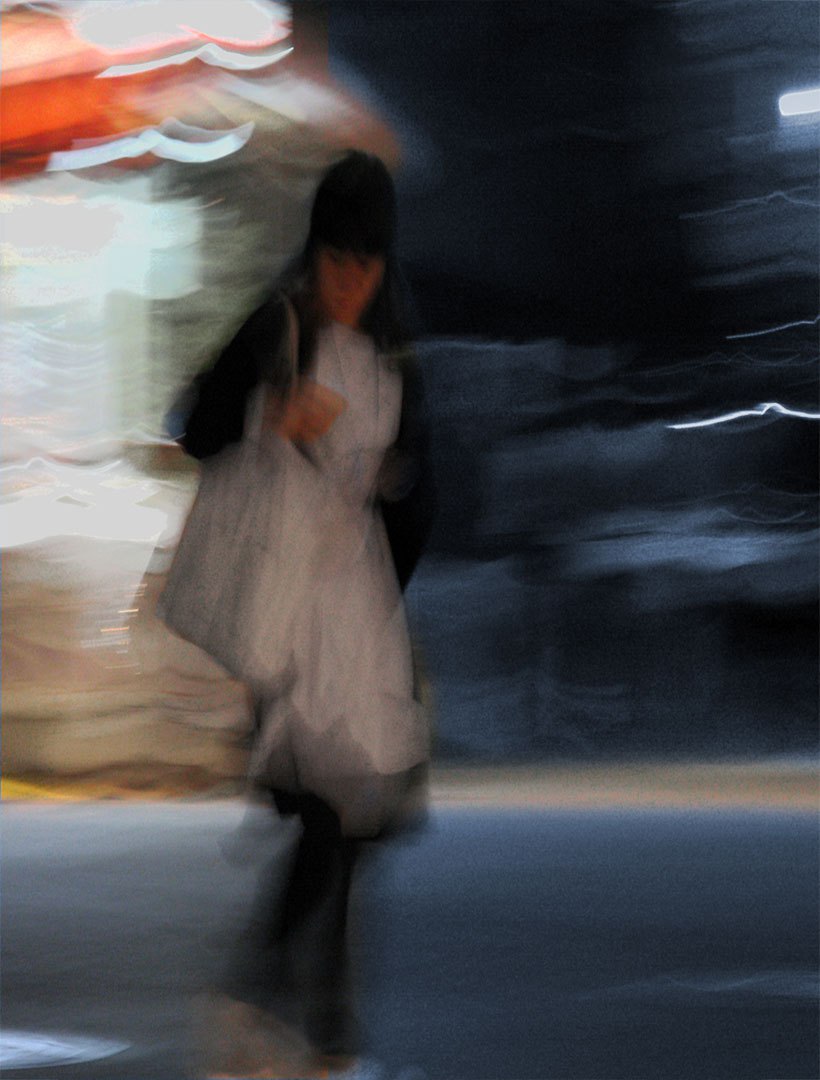
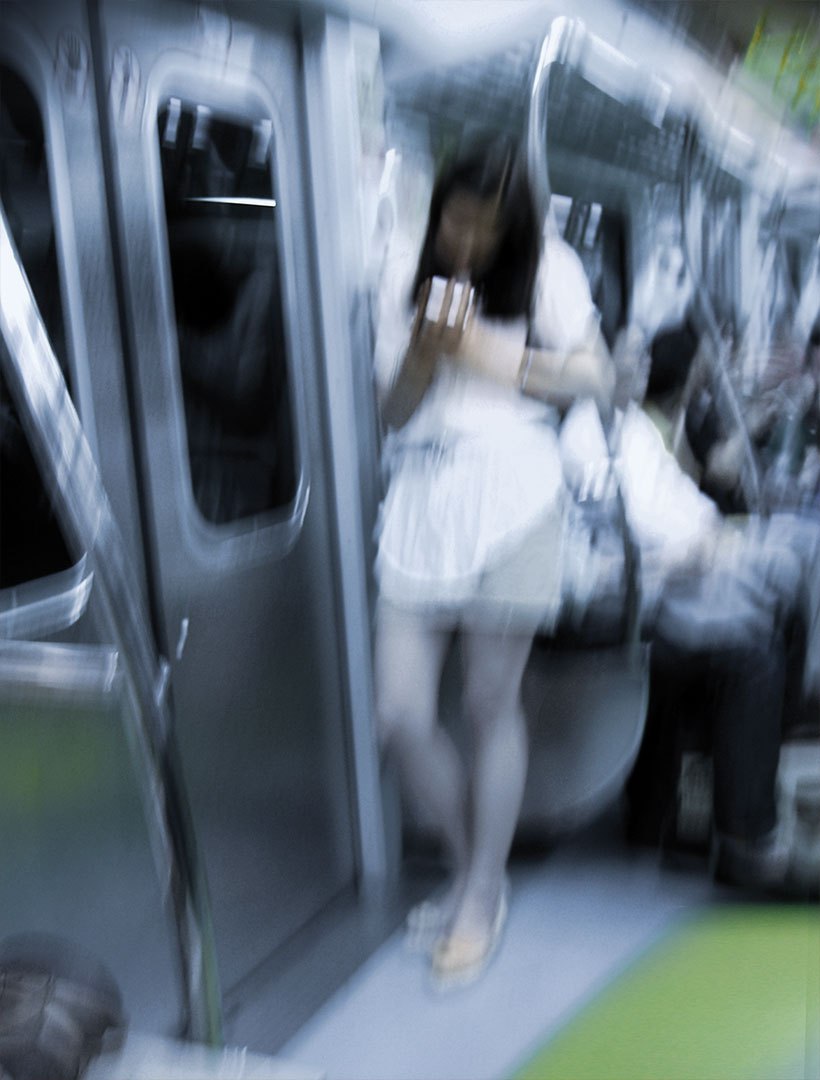
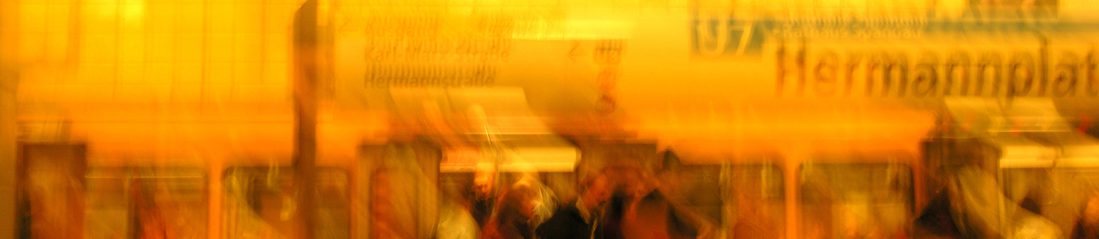
“What does the term Lightbrush mean?” I am asked this often, and the answer deserves an explanation. In essence, I do not take photographs; rather, I paint with light.
Daguerreotypes were created by exposing a highly polished, silver-plated copper plate directly inside a camera, typically constructed as a wooden box. Before exposure, the plate was sensitised with light-sensitive chemicals, creating a surface that could record the image. Early daguerreotypes produced monochrome photographs, appearing primarily in black and white or sepia tones. Because the image formed directly on the reflective silver surface, rather than on a separate negative and print, the finished photograph varied with lighting and viewing angle. Light-coloured areas reflected more strongly from the silvered plate, sometimes creating highlights so intense that they almost dazzled the viewer.
I valued the distinctive metal finish of early photography and, even as a student, began experimenting with ways to restore its vitality and soul in my own images. Through several approaches, I eventually developed a style that returned to this tradition, using a nearly identical method: electroplating copper plates with silver and then developing the image on them. The initial results confirmed that I was proceeding in the right direction. However, this process proved successful only with smaller formats. Later, with a new technique, I discovered ways to produce larger-format aluminium photographs that suit the aesthetic quality of my work.
The impact of my images ultimately comes from what they show. Not every subject works well with such a detailed production process. Because I work in colour and motion with the final result in mind, my strongest images achieve an ideal balance between subject matter and technique.