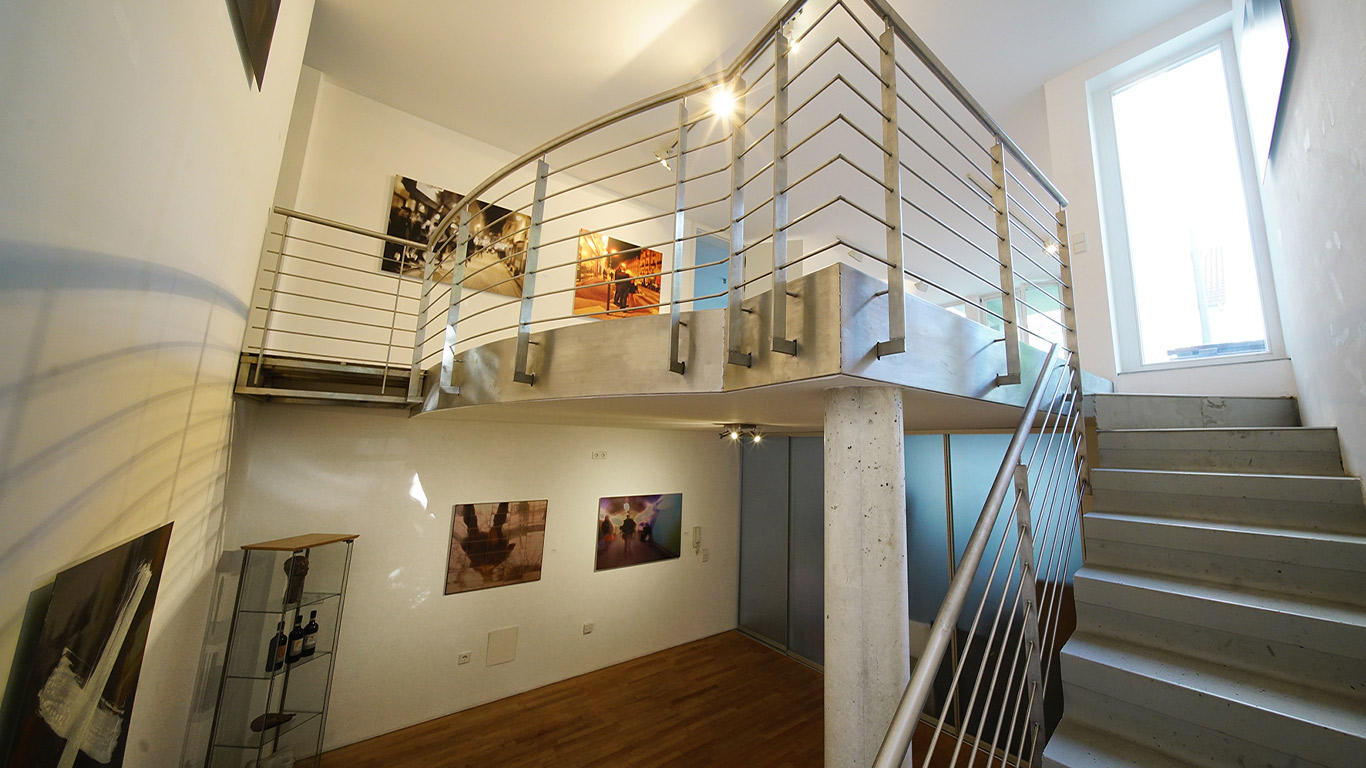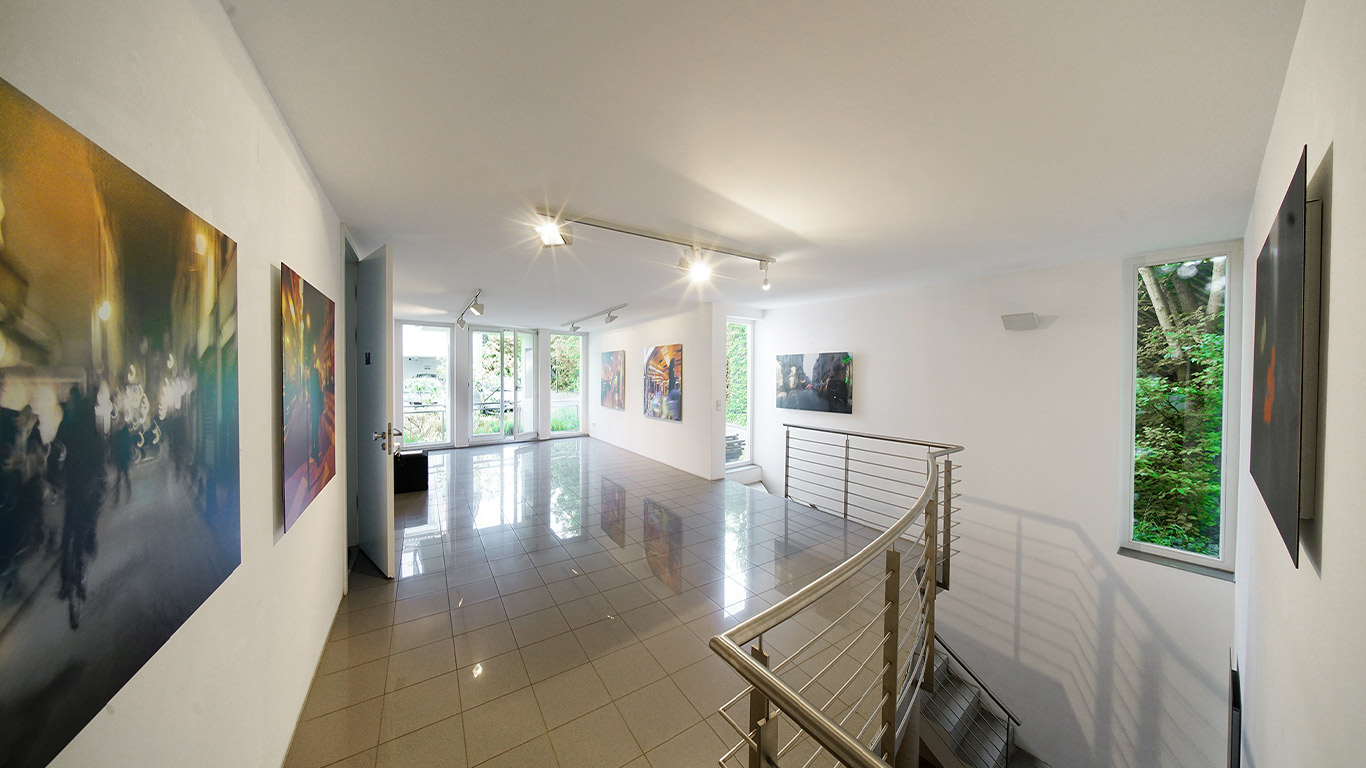
Solo Exhibition at Galerie Signum 2018
Paris – centre d’illumination
5 May – 9 June 2018
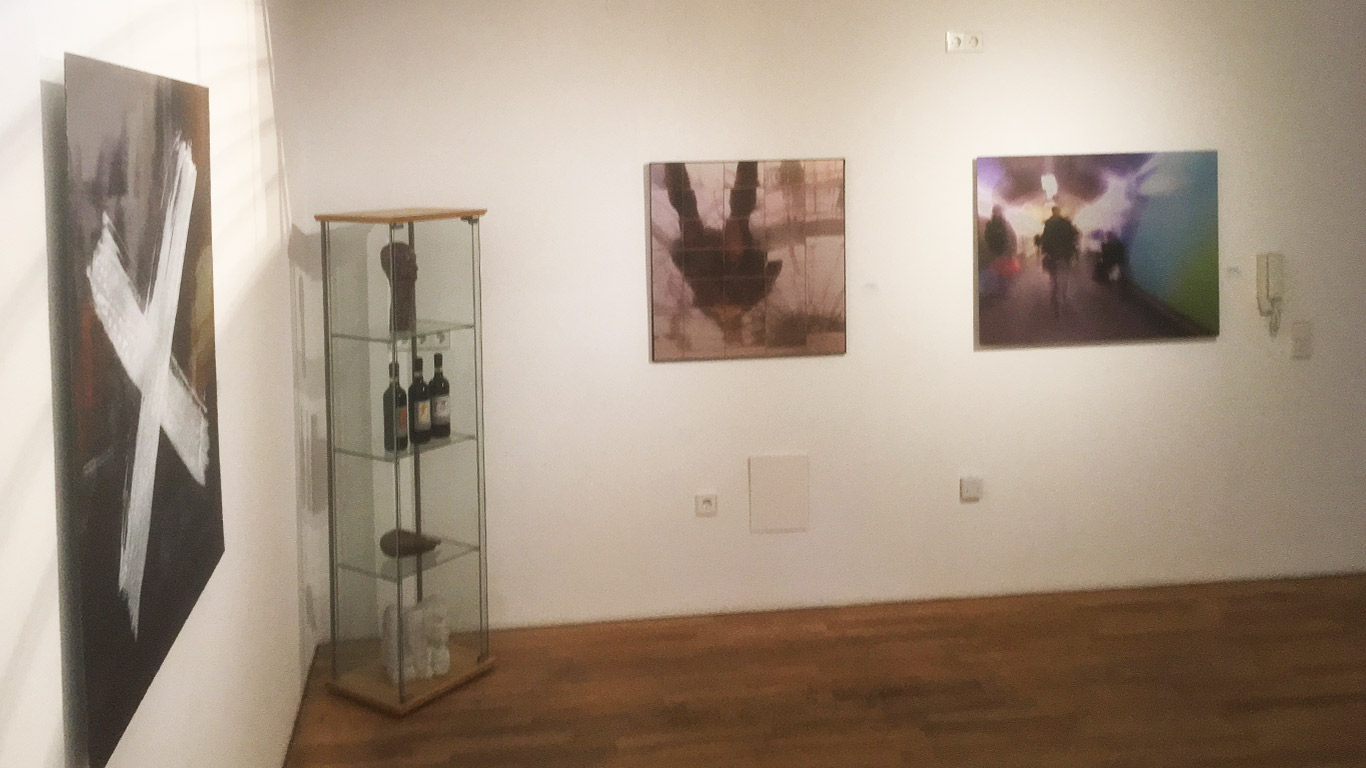
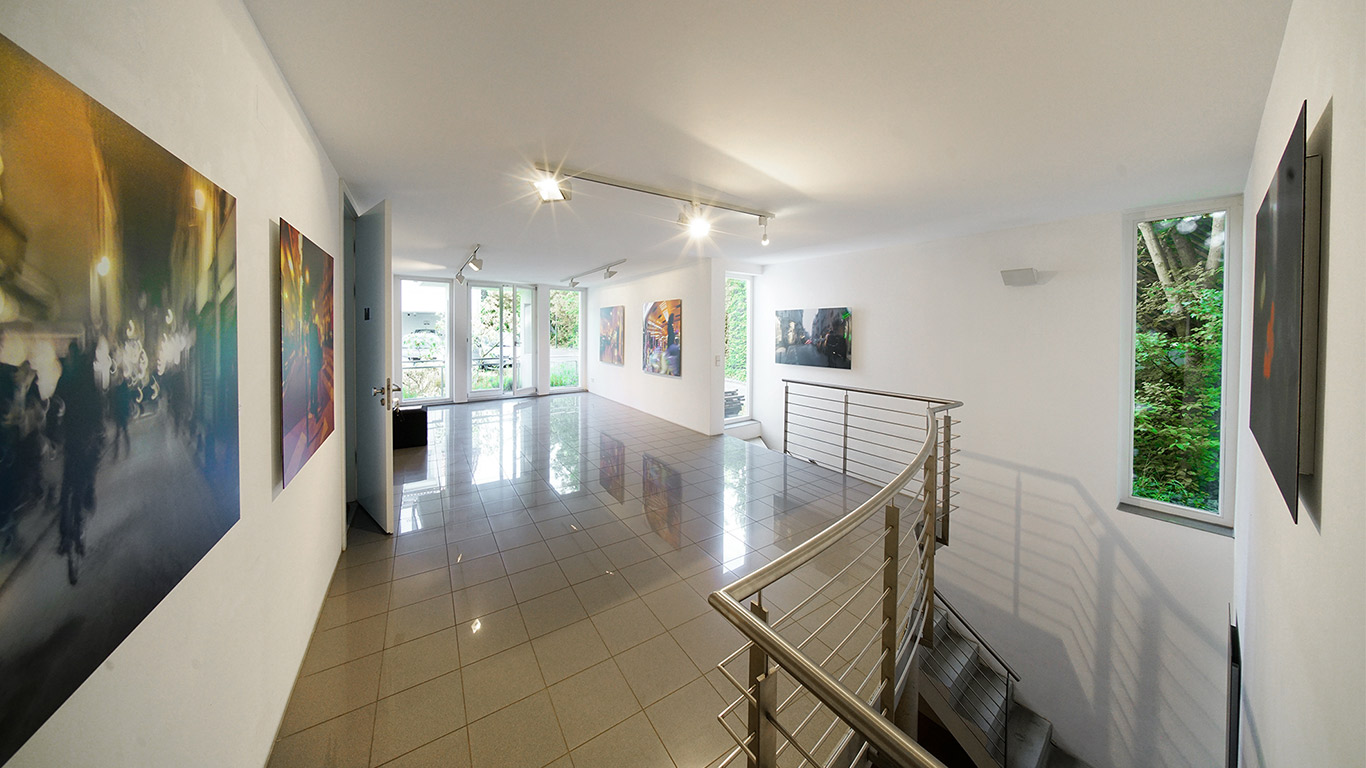
Paris, the city of enlightenment (lumières), is translated by the artist both as the ‘centre of light’ and the ‘centre of the spirit’. He has travelled to Paris time and again for projects and exhibitions, getting to know the city in a wide variety of situations.
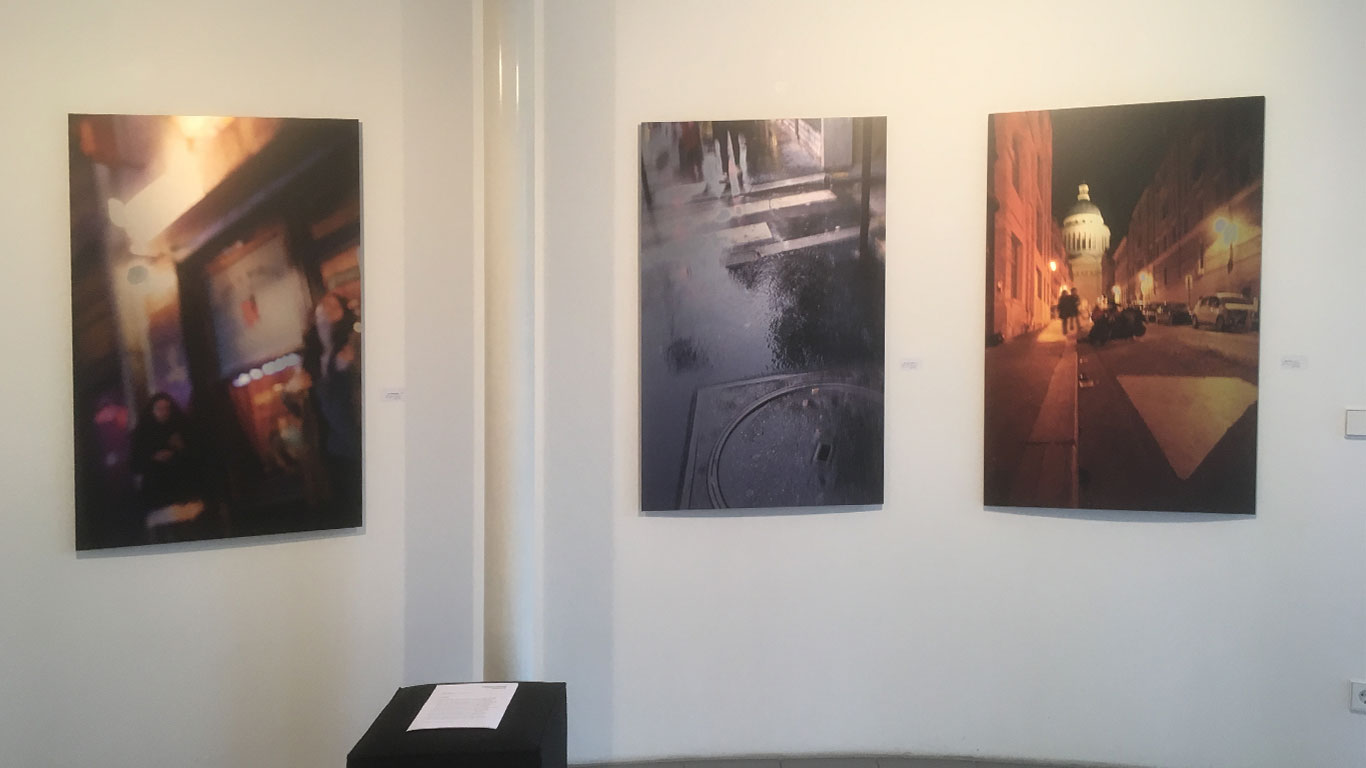
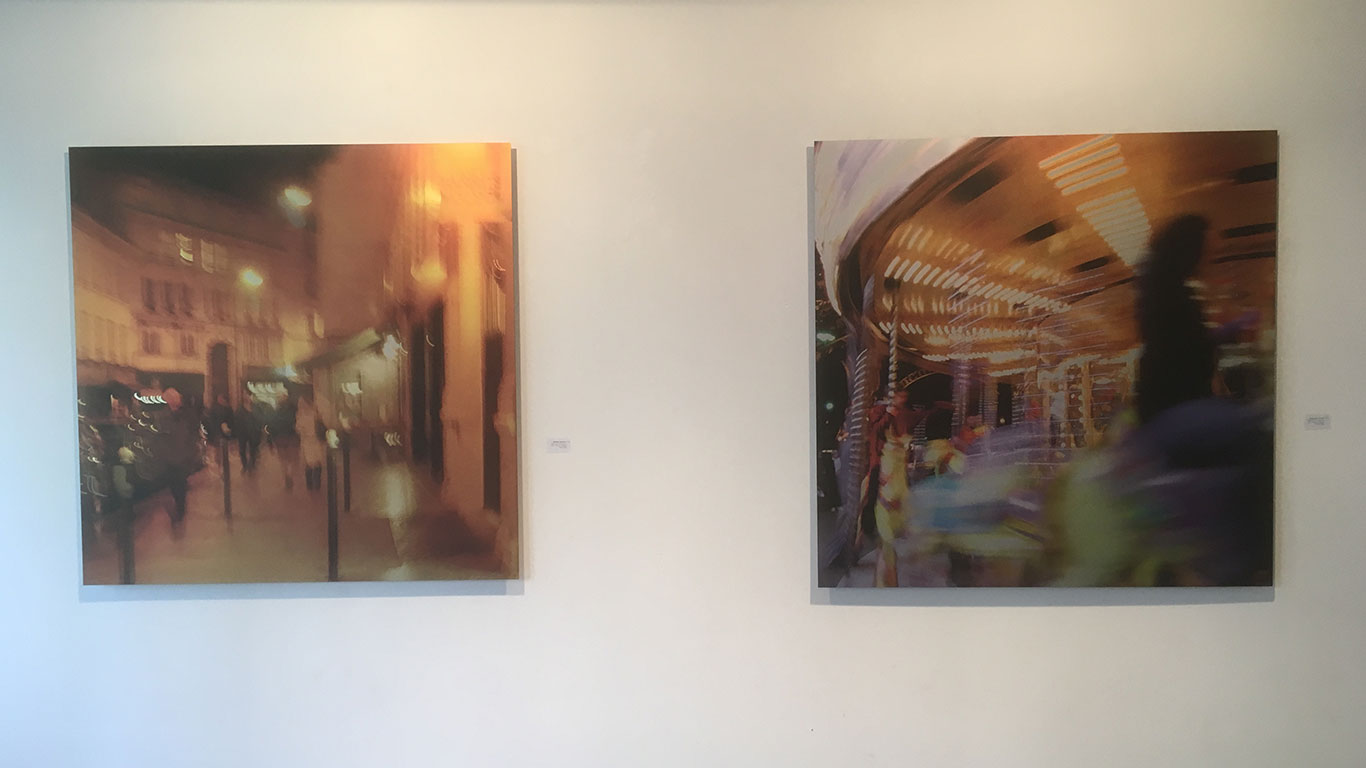
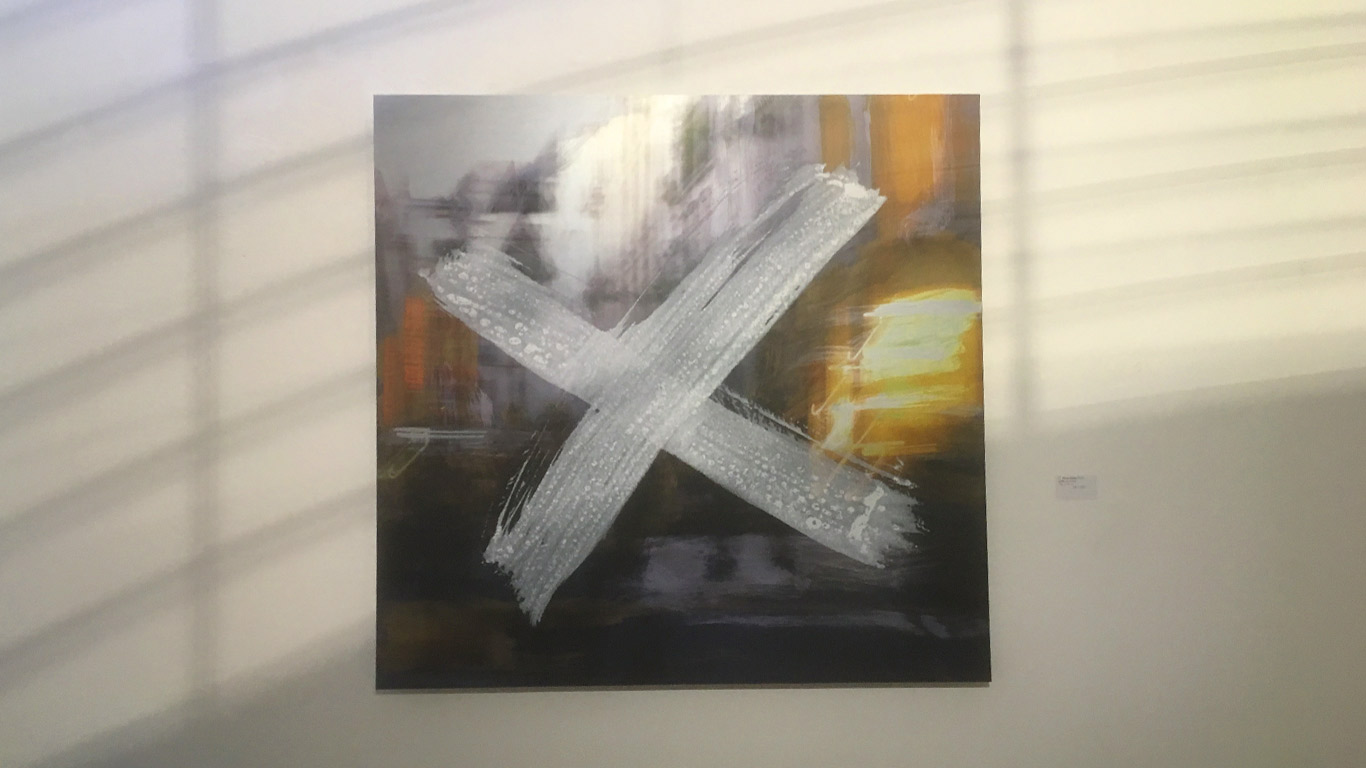
Light is the material both of photography and of the artist. He is particularly drawn to reflections of light from different sources: the dark-blue night sky, perhaps already revealing the stars; the warmly and selectively illuminated shop windows displaying wonderful objects of desire; the shadows of dark figures, barely discernible against the backlighting of the city lights, darting in all directions through the maze of streets and paths. When the circumstances are especially favourable, water or a layer of rain reflects the light in bizarre patterns from the tiled ground. The associations these fragments of light trigger are manifold, as are the dreamlike longings felt by a solitary soul amid all this activity; and the emotional overwhelm is complete as the visitor surrenders fully to this wonderful urban, human environment, immersed in its sea of sound and light.
Krieg’s images are similarly snapshots of moments: a child reaches out into the abundance of immediate impressions, then withdraws its hand to gaze, fascinated, at the traces the gesture has left upon it: fragments of life stories, reflections on the passing of time, impulses, associations, reflections of life and its rapid passing. Tilmann Krieg allows his camera to sway vividly in harmony with this urban temptation and later—and this is part of the creative process—selects the finest works, perhaps rearranging them in a way that creates meaning. Visitors to this exhibition become part of the human and social theatre. They experience the fascination of life overflowing—not merely as spectators, but as participants.
This is one of the principal qualities of the artistic work of the painterly photographer Tilmann Krieg: beyond the purely technical aspects of artistic photography, he suggests an emotional encounter with the places, destinies, and individual challenges of those he portrays.